A dog may lick its paws after a walk, while settling down for a nap, or as part of its normal grooming routine. An occasional lick is usually nothing to worry about. But when your dog keeps returning to the same paw, chews between its toes, or leaves the fur damp from constant licking, it may be trying to relieve discomfort.
Persistent paw licking can have several causes, including irritation, allergies, minor injuries, parasites, and infection. The licking itself can also damage the skin, creating a cycle in which discomfort leads to more licking and more licking leads to further inflammation.
Knowing what to look for can help you decide whether your dog simply needs its paws cleaned or should be examined by a veterinarian.
1. When Is Paw Licking Normal?
Dogs use their mouths to groom themselves, and a brief lick after walking outdoors or getting their paws wet is common. Some dogs also lick their paws for a short time before settling down.
The pattern matters more than any single lick. Normal grooming is usually brief and does not leave the skin red, swollen, sore, or persistently wet.
Pay closer attention if your dog repeatedly interrupts other activities to lick, focuses on one particular paw, starts chewing the skin, or becomes difficult to distract. These changes suggest that the behavior may be driven by discomfort rather than ordinary grooming.
2. Common Reasons Dogs Keep Licking Their Paws
Environmental or food-related allergies
Allergies are one possible reason for persistent paw licking. Some dogs react to environmental allergens such as pollen, dust mites, or molds. Food allergies can also cause itchy skin in certain dogs.
You may notice redness between the toes, recurrent skin irritation, or itching around the ears, face, belly, and other parts of the body. Some dogs have symptoms that worsen during particular seasons, while others experience discomfort throughout the year.
However, paw licking alone cannot confirm an allergy. Irritation, parasites, injuries, and infections can look similar. A veterinarian can help narrow down the cause before you make major changes to your dog’s diet or start treatment.
Wet paws and irritating surfaces
Rain, mud, damp grass, road salt, cleaning products, and rough outdoor surfaces can irritate a dog’s feet. Some dogs begin licking after walking on a recently cleaned floor or crossing a treated sidewalk.
If the behavior starts soon after a walk, check whether all four paws seem affected or whether one foot is particularly uncomfortable. Multiple paws may suggest a shared exposure, while a single painful paw can point toward a localized problem. Neither pattern is conclusive on its own.
After walks, you can gently rinse visibly dirty paws with clean, lukewarm water and dry them thoroughly, including between the toes. If you suspect contact with a chemical or other hazardous substance, contact a veterinarian promptly for specific guidance rather than experimenting with home remedies.
A small injury or something stuck in the paw
A thorn, grass seed, tiny piece of glass, torn nail, or small cut can make a dog focus intensely on one paw. You might also notice limping, sudden withdrawal when the foot is touched, or reluctance to put weight on it.
Look gently at the pads, nails, and spaces between the toes if your dog will allow it. Do not dig into the skin or try to remove an object that is deeply embedded. A painful paw may need professional examination and removal of the foreign material.
Parasites and skin infections
Fleas, mites, and other parasites can contribute to itching. Bacterial or yeast infections may also develop, sometimes after the skin has already been irritated by allergies or repeated licking.
Warning signs include persistent redness, swelling, an unpleasant smell, discharge, crusting, or skin that looks raw. The fur between the toes may become brown or rusty in color from repeated contact with saliva, but staining alone does not identify the underlying cause.
Pain in the foot or leg
Not every dog that licks its paw has a skin problem. Some dogs lick a painful joint, toe, or nail area. Arthritis or another musculoskeletal problem can occasionally contribute to licking around a limb.
If the licking occurs alongside stiffness, limping, difficulty standing up, or reluctance to use stairs, tell your veterinarian about the movement changes as well as the skin symptoms.
[内文图1:一只狗狗居中坐在家中地板上,低头舔自己的前爪,爪子清晰可见,真实自然的日常抓拍风格。Alt Text: A dog licking its front paw while sitting at home.]
3. What to Check When Your Dog Starts Licking
A calm visual check can help you spot obvious problems. Choose a comfortable place with good lighting, and stop if your dog shows pain, fear, or defensive behavior.
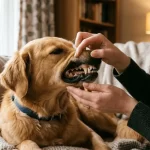
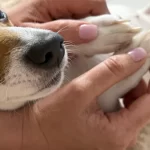
- Check the paw pads. Look for cuts, cracks, burns, swelling, or unusual discoloration.
- Look between the toes. Check for redness, debris, damp fur, small wounds, or visible foreign material.
- Inspect the nails. A split nail, broken nail, or irritated nail bed can cause considerable discomfort.
- Compare all four paws. One affected paw may suggest a local injury, while several itchy paws may point toward a broader skin issue or shared irritant.
- Notice the timing. Think about whether the licking began after a walk, bath, grooming appointment, diet change, or use of a new household product.
You do not need to perform a long examination. If the paw is painful, bleeding, significantly swollen, or difficult to inspect safely, leave the detailed assessment to your veterinarian.
4. When Should You See a Veterinarian?
Arrange a veterinary appointment if your dog keeps licking the same area, the behavior lasts or repeatedly returns, or the skin becomes red, smelly, swollen, or sore. A veterinarian should also assess recurring paw problems, particularly when several paws are affected or other itchy areas are present.
Seek prompt care if your dog has a deep cut, a damaged nail with significant pain, a suspected embedded foreign object, or a paw that is rapidly becoming swollen. Sudden severe limping or refusal to put weight on the foot also deserves urgent assessment.
If you suspect exposure to a corrosive cleaner, pesticide, or another potentially toxic substance, contact a veterinary clinic or animal poison service immediately for instructions. Do not wait for skin changes to appear.
Persistent licking can cause open sores and secondary infection. The sooner the underlying irritation or injury is identified, the easier it may be to prevent further damage.
5. What You Can Safely Do at Home
For mild irritation without an obvious wound or serious symptoms, a few simple steps may help while you monitor your dog.
- Clean gently. If the paws are dirty, rinse them with clean, lukewarm water and pat them dry. Avoid vigorous scrubbing.
- Reduce further exposure. Temporarily avoid a surface or product you suspect may be irritating your dog’s feet.
- Prevent repeated damage. If your dog is creating sores by licking, ask your veterinarian whether a properly fitted protective collar or another short-term barrier is appropriate.
- Keep track of changes. A photograph can help you compare the skin over time and show your veterinarian how the problem developed.
Do not apply human creams, essential oils, disinfectants, or medicated ointments unless your veterinarian confirms they are appropriate. Dogs may lick products off their skin, and some ingredients can be harmful if swallowed.
Avoid tight bandages or homemade coverings that trap moisture or restrict circulation. If a paw needs dressing, your veterinary team can advise on safe protection.
6. Why Treating the Cause Matters
Stopping the licking temporarily is not always enough. If an allergy, infection, foreign object, or painful injury remains, the behavior is likely to continue.
Your veterinarian may examine the skin and nails, check for foreign material, look for parasites, or collect a skin sample when appropriate. Depending on the findings, treatment might involve removing an irritant, managing an infection, treating parasites, addressing an allergy, or relieving pain.
Recurring symptoms may require follow-up visits. For example, a dog with allergies may need a longer-term management plan rather than repeated treatment for each flare-up. The right approach depends on the cause, so avoid using leftover medication from a previous episode.
7. Habits That Help Protect Your Dog’s Paws
Regular, gentle paw checks can help you notice problems before they become severe. Make the experience comfortable by handling your dog’s feet briefly when it is relaxed and rewarding calm behavior.
- Check the paws after walks, especially after traveling over rough ground or through tall grass.
- Keep the fur around the paws reasonably clean and dry without cutting too close to the skin.
- Use pet-appropriate products and follow label directions when cleaning floors or treating outdoor areas.
- Ask your veterinarian about paw protection if your dog regularly walks on hot, icy, or chemically treated surfaces.
- Seek advice when itching repeatedly returns instead of assuming it is simply a habit.
Some dogs naturally groom their paws more than others, so there is no single number of licks that signals a problem. Focus on changes in frequency, intensity, skin condition, and comfort.
An occasional lick after a walk may be ordinary grooming. Repeated licking that interrupts your dog’s day, damages the skin, or comes with pain deserves attention. A gentle check and timely veterinary advice can help you find the reason and protect your dog’s paws before a small irritation becomes a more persistent problem.