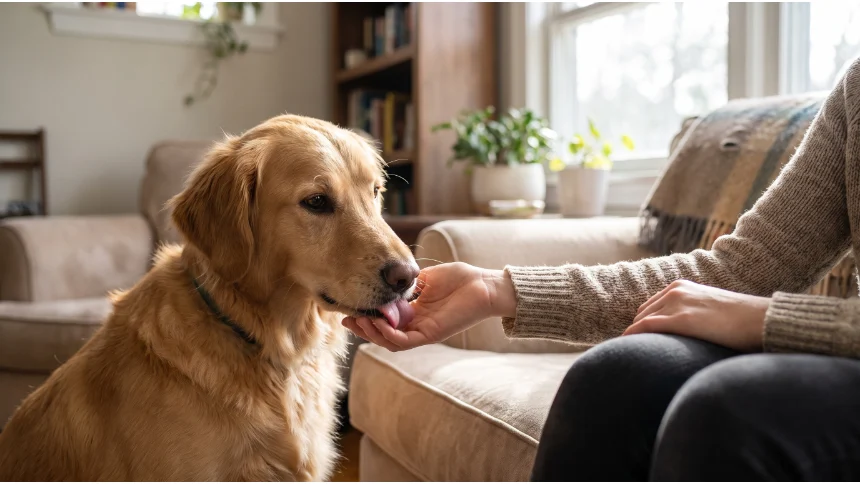
Dogs lick human skin for many different reasons. It can be a gesture of love, a way to explore scents, or simply a cry for your attention. Though licking counts as normal dog behaviour, its true meaning changes based on which part of your body they target and the surrounding situation. Learning what drives this habit helps you tell the difference between harmless fondness and signs that require extra care.
Why Do Dogs Lick People?
Licking serves both social and biological purposes for dogs. When dogs lick, their brains release endorphins, natural chemicals that bring calm and relaxation. Dopamine, linked to pleasure, also activates in this process. This makes licking rewarding and self‑soothing, so dogs rely on it to connect with people around them. No single motivation applies; context, personality and past experience shape each dog’s actions.
Licking Instinct Learned in Puppyhood
Dogs pick up licking behaviour starting at birth. Mother dogs lick newborn puppies to clean them and stimulate bodily functions. Young puppies depend on this maternal licking to urinate and defecate. As they grow older, puppies keep licking as social conduct. They lick adult dogs to show submission and build friendly connections, and lick litter‑mates for affection and comfort.
Exploring Scents and Tastes Through Licking
Dogs lean heavily on smell rather than taste to understand the world. Human skin carries unique smells and salty sweat, especially hands, faces, ears and feet. Two kinds of sweat glands create these signals. Eccrine glands produce thin, salty sweat on palms, feet and cheeks. Apocrine glands create thicker secretions mixed with skin bacteria, generating distinct body odour. All these interesting scents draw dogs to lick and investigate.
Why Dogs Lick Different Parts of Your Body
Licking Your Hands
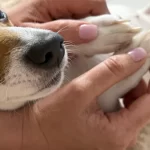
Your hands collect countless smells from everything you touch all day. For dogs, licking hands works like reading a story of where you have been. Salty sweat left on palms also appeals to their taste. Combined with social interaction, these factors make hand‑licking extremely common among household dogs.
Licking Your Face
Your face picks up scents from food, objects and other people throughout daily life. Sweat glands across forehead, cheeks and eye area leave salty and unique aromatic traces. Food smells around lips further attract licks. Beyond taste, face‑licking comes from pack social grooming habits. It signals familiarity and warmth. Human responses such as laughing or petting can unintentionally reinforce this habit over time。

Licking Your Ears
Ear canals hold apocrine gland secretions plus earwax, creating strong, one‑of‑a‑kind smells. Dogs also lick each other’s ears as trust‑building social grooming. When your dog licks your ears, curiosity, grooming instinct and affection often happen together.
Licking Your Feet
Feet have dense eccrine sweat glands that leave salty residue after sweat evaporates. Many dogs find this flavour attractive. Foot licking may turn into a game: if you giggle, talk or pull away from tickles, your dog views your reaction as positive reward and repeats the behaviour more often.
Licking Your Legs
Licking legs relates to lotions, shower soap residue, sweat and outdoor substances stuck to skin. Small razor nicks or minor cuts also draw their attention. It rarely means thirst; your dog is just gathering scent‑based information from your skin.
When Licking Becomes a Concern
Normal casual licking differs from problematic over‑licking. Boredom‑triggered licking can improve with extra exercise, enrichment toys or lick mats.
Behaviour‑Driven Excessive Licking
Frequent, hard‑to‑stop licking under stress points to possible anxiety, fear or compulsive habits. Dogs use licking as a calming coping mechanism when they feel overwhelmed. In some cases, persistent licking toward people signals discomfort, used as a subtle way to create emotional distance.
Medical‑Related Excessive Licking
Constant licking may flag underlying health troubles including allergies, skin infection, physical pain or gastrointestinal disease. Obsessive licking toward furniture, floors or walls often suggests internal physical discomfort that cannot be ignored。

Seeking Professional Support
If licking grows compulsive, hard to interrupt or pairs with obvious discomfort, book a vet visit first to rule out medical illness. Once physical causes get eliminated, certified animal behaviour consultants can locate emotional triggers and build suitable improvement plans.
FAQs
Do dogs lick just because they love you? Partly yes. Affection is one cause, yet dogs also lick to explore smells, get attention or soothe their own nervous feelings.
When should owners worry about licking behaviour? Watch for compulsive, non‑stop licking connected with anxiety, pain, allergy or digestive troubles, and consult your veterinarian in those scenarios.