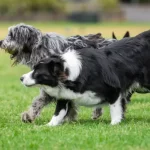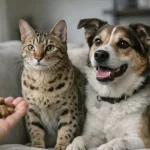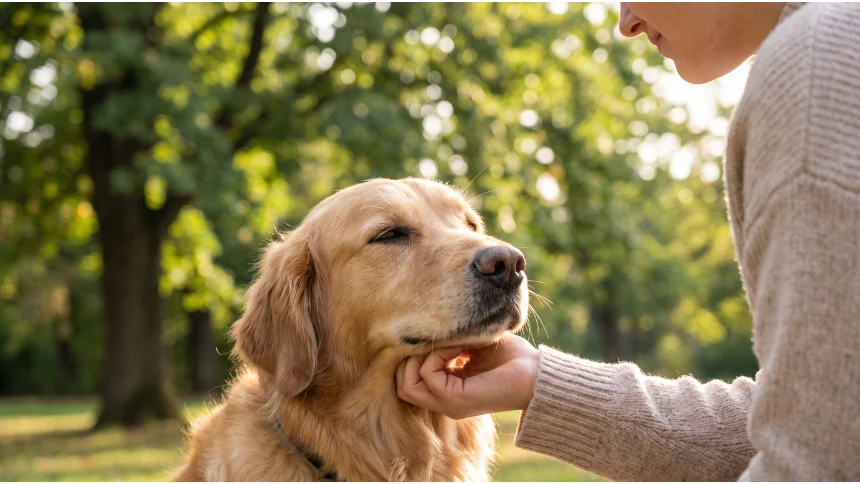
First impressions matter a great deal when you interact with dogs. Many people wrongly assume they can walk up and touch any dog they meet. The truth is, not every pup welcomes physical affection, especially from strangers. To keep both you and the dog safe and happy, you need to read canine body language and follow proper petting etiquette。
Do All Dogs Want to Be Touched?
Every dog has its own personality and personal boundaries. Some outgoing dogs happily accept attention from anyone at any time. Others prefer zero contact with people they do not know.
Watch for these positive cues that a dog is open to interaction:
- Loose, relaxed body posture, soft eyes and relaxed facial muscles
- Stepping forward toward you when you speak
- Gentle, comfortable eye‑contact
If you spot these stress signals, step back and do not try to pet the dog:
- Tucked tail, ears flattened or pulled far back
- Lip licking, whale eyes where the white part of eyes show
- Shifting weight backward, crouching low, lowered head
- Mouth corner creases or furrowed brows
Any of these behaviours tell you the dog needs space right now。

Step‑by‑Step Guide to Petting a Strange Dog
1. Check with the dog’s owner first
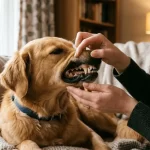
Always ask the pet parent whether their dog is okay with being petted by a stranger. Have this conversation before you stand directly in front of the dog so the dog can observe you from a safe distance. Even if the owner says yes, still watch the dog’s body language. Some dogs only feel comfortable around their family. Sometimes owners will suggest offering a treat instead of touching the dog directly。
2. Approach calmly without intimidation
When the dog shows relaxed signals, use soft, quiet tones. Avoid hard, unbroken staring. Quick glances then looking away work better. Stand sideways rather than face‑on, and keep 3‑4 feet distance at first. You may crouch or kneel down, but never lean over and tower above the dog; looming makes most dogs nervous. Hold your hand loosely beside your hip, not thrust straight toward its face. This sends a friendly, non‑threatening invitation to socialize。
3. Let the dog come to you
Give the dog the choice to move closer and sniff your hand. After it finishes sniffing and seems comfortable, you may gently scratch underneath its chin. Most dogs dislike strangers reaching down onto the top of their head; a hand dropping toward the head reads as threatening. Going for the chin area shows you mean no harm。
4. Run a quick consent test
Pet very gently one or two times, then pull your hand slightly back. Think of this as asking “Is this alright for you?” The dog gets to decide whether to stay or move away.
If it leans in closer or stays put, keep petting in slow, long strokes and speak soothingly. You can move on to its neck and shoulders. Slow stroking feels calming. Quick repeated pats often irritate dogs.
Dogs respond differently: some wag excitedly and nudge your hand for more. Shyer dogs may stay quiet or briefly step back before coming near again.
If the dog stiffens, pulls away or turns its body away — stop touching at once. It feels overwhelmed. Slowly draw back your hand, take small steps backward and stand up gradually. Sudden movements may trigger fear responses such as barking or cowering。

Best & Risky Spots for Petting Dogs
Dogs may tolerate head pats from their own household members they know well, yet most do not enjoy strangers patting their heads.
Generally safe spots for new acquaintances:
- Under the chin
- Side of the neck
- Shoulders
- Chest
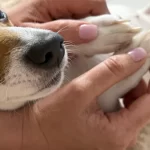
Avoid paws, ears, lips, tail and belly with unfamiliar dogs. A common myth: when a dog rolls onto its back, it wants belly rubs. That is not always true. Rolling over can signal stress or vulnerability. Even family‑loving belly‑rub fans will often not want strangers touching this sensitive area. When you see a dog flip onto its back, pause your affection and give it room. Take things slow around dogs you do not know, pay close attention to their body signals, and always follow their pace. This simple rule helps build trust and ensures pleasant, stress-free interaction for both humans and dogs.