A pet’s coat can look perfectly fine at first glance while small tangles are quietly forming underneath. You might notice a knot behind an ear, a clump under a front leg, or a patch of fur that feels unusually thick when you run your fingers over it.
These tangles can become more than a cosmetic problem. As loose hairs twist together, they can form tight mats that pull on the skin, trap dirt and moisture, and make ordinary movement uncomfortable. Some pets tolerate brushing well, while others hide their discomfort until the knots become difficult to manage.
Knowing where mats tend to develop, how to prevent them, and when to stop trying to remove them at home can make grooming safer and much less stressful.
Why Mats Develop in the First Place
Pet hair naturally sheds and replaces itself. When loose hairs remain tangled with the surrounding coat, friction and movement can twist them together. Without regular brushing, small knots may gradually become dense clumps that are difficult to separate.
Long, fine, curly, or dense coats are often more vulnerable to matting, but short-haired pets are not completely immune. Friction from collars, harnesses, bedding, and repeated movement can contribute to tangles in particular areas.
Moisture can make existing knots harder to manage, especially when a tangled coat is washed without being brushed first. This is one reason it helps to check for knots before bathing rather than discovering them after the coat dries.
Changes in grooming habits can also make a difference. A busy schedule, a recent illness, or a pet becoming less tolerant of handling may mean that small tangles go unnoticed for longer than usual.
The Spots That Are Easy to Miss
A quick brush over the back may make a coat look tidy, but it does not necessarily reach the areas where mats are most likely to start. A useful grooming check includes places that are hidden by the coat or experience frequent friction.
Behind the ears
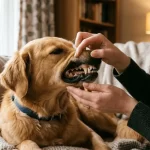
The fine hair behind the ears can tangle easily, especially in long-haired cats and dogs. Gently separate the fur with your fingers and inspect the area without pulling on the ears or pressing a brush against the skin.
Under the front legs and around the chest
Movement creates friction where the legs meet the body. Harnesses can also rub against the coat, allowing loose hair to collect in small knots. Check these areas after removing a harness, particularly if your pet has a thick or curly coat.
Under the belly and around the groin
These areas may be difficult for pets to keep clean and for owners to inspect. The skin can be sensitive, and some pets dislike being handled there. Use a calm approach and stop if your pet becomes uncomfortable rather than forcing them to remain still.
Behind the hind legs and around the tail
Long hair on the backs of the legs and beneath the tail can become tangled through sitting, walking, and contact with bedding. Check for clumps of hair, trapped debris, and any signs that the skin underneath is irritated.

How to Tell Whether a Tangle Can Be Managed at Home
Not every knot requires a professional groomer. A small, loose tangle that sits away from the skin may be manageable with the right tool and a patient approach. The important question is whether the hair can be separated without pulling or causing discomfort.
Begin by looking at the knot and feeling around it gently. If you can move the surrounding hair freely and the tangle loosens with light finger movements, you may be able to work through it gradually with a suitable comb or brush.
Stop if the knot feels tight against the skin, forms a solid clump, or causes your pet to flinch, growl, hiss, turn sharply, or repeatedly move away. These reactions may indicate discomfort or fear. Continuing to pull can make the experience painful and increase resistance to future grooming.
Dense mats can conceal irritated skin, sores, or parasites. If you cannot see where the mat ends and the skin begins, do not try to cut through it yourself.
A Gentler Way to Work Through Small Knots
For a minor tangle, choose a quiet place where your pet feels comfortable. Use a brush or comb appropriate for the coat type, and keep the first session short enough that your pet can remain relaxed.
Start at the outer edge of the knot rather than pulling from the roots. Hold the hair near the skin to reduce tension, then loosen small sections with gentle movements. Work a little at a time and check your pet’s reaction throughout.
If the knot does not loosen easily, stop. Repeated brushing, forceful pulling, or trying to finish the entire coat in one sitting can cause discomfort and damage the skin.
Reward calm cooperation with a treat, praise, or a short break. For pets that dislike being handled, several brief sessions may be more successful than one long grooming session.
Never use household scissors to cut out a mat. A pet may move suddenly, and tightly tangled hair can pull the skin upward into the knot, making it difficult to tell where the skin ends. Dense or tight mats are safer to remove with appropriate clippers in experienced hands.
Why Bathing Can Make Existing Mats Worse
A bath may seem like the obvious way to clean a dirty coat, but water and washing can tighten some existing tangles. If your pet already has knots, brush out manageable tangles before bathing and seek professional help for dense mats.
Use shampoo formulated for your pet’s species and follow the product directions. Human shampoo and unsuitable grooming products can irritate animal skin. Rinse thoroughly and dry the coat appropriately, paying attention to areas where moisture can remain trapped.
Do not bathe a pet simply because its coat feels rough or looks dull. Persistent changes in coat condition may be associated with skin disease, parasites, nutrition, or other health concerns that shampoo alone will not solve.
Most healthy cats rarely need a bath, although individual circumstances can differ. Regular brushing is usually more useful for preventing loose hair and tangles. If a cat repeatedly develops mats despite routine grooming, a veterinary check may help identify whether discomfort, weight, age, or another issue is making self-grooming difficult.
When Professional Grooming Is the Safer Choice
Arrange professional help when mats are widespread, tightly packed, close to the skin, or difficult to remove without pulling. A qualified groomer can assess whether clipping is appropriate and handle the coat with tools designed for the job.
If the skin underneath appears red, swollen, wet, wounded, or painful, contact a veterinarian rather than treating the problem as a routine haircut. Severe matting may require veterinary care, and some pets need additional support to tolerate safe removal.
Professional grooming is also worth considering when your pet becomes highly distressed during brushing. Forcing a frightened animal to remain still can lead to scratches, bites, or accidental injury. A veterinarian can advise on safe options when grooming cannot be completed comfortably.
Do not assume that shaving every pet short is the best preventive measure. The appropriate coat length depends on the animal, its coat type, health, and living conditions. Ask a qualified groomer or veterinarian before making a major change to the coat.

Build a Routine That Prevents Knots From Returning
The best grooming schedule is one that fits your pet’s coat and that you can maintain consistently. Long-haired cats and dogs may need daily brushing, while many short-haired pets can manage with less frequent sessions. Your pet’s individual coat, shedding pattern, and tendency to tangle should guide the routine.
Use the right tool for the job. A soft brush or grooming glove may work well for a smooth coat, while a suitable comb can help you check whether longer hair is tangled near the skin. If you are unsure which tool to choose, ask a professional groomer or veterinarian for a recommendation.
Make grooming part of ordinary life rather than something that happens only when the coat looks messy. Briefly check the ears, underarms, belly, legs, and tail while your pet is relaxed. After walks or outdoor play, look for burrs, twigs, and other debris caught in the coat.
Keep track of changes, too. If your pet suddenly develops more tangles than usual, seems reluctant to groom, or begins licking or scratching one area repeatedly, consider whether something has changed and seek veterinary advice when appropriate.
A comfortable coat does not have to look perfect. The goal is to keep your pet clean, prevent painful knots, and make grooming a calm experience rather than a struggle. A few careful checks each week—and more frequent brushing when the coat needs it—can help you catch small problems before they become much harder to manage.