The grooming mistake I see most often is not the dramatic ones—no one accidentally gives their dog a lion cut and posts it on Instagram. It is the quiet ones. The ones that happen every bath, every brushing session, every nail trim, and accumulate into real skin and health problems over months and years. Most of them feel harmless in the moment. That is what makes them dangerous.
Skipping the Pre-Bath Brush
Water locks mats tight. Not loosens them—locks them. If you bathe a matted dog or cat without brushing first, you are not cleaning the coat. You are cementing the mats against the skin. Mats that have been wet and dried repeatedly become ideal breeding grounds for bacteria and yeast because they trap moisture and warmth against the skin with no airflow.
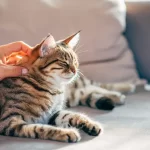
The fix is simple: brush first, always. For long-haired breeds, use a slicker brush working from the skin outward. For short coats, a rubber curry comb loosens dead hair and stimulates the skin. For cats, pay extra attention to the armpits, belly, and behind the ears—these are where mats form fastest and most painfully.
Do not spray the coat wet before brushing either. Wet hair stretches and becomes more prone to breakage. Spray a light detangling conditioner on the dry coat, then brush thoroughly before water touches the fur.

Using Human Shampoo
Human shampoo—even the baby ones—has a pH around 5.5. Dog skin sits at 6.5 to 7.5. Cat skin is even higher at 7.0 to 8.0. That difference is not cosmetic. The acidic mantle that protects your pet’s skin cannot do its job when you strip it with the wrong pH every bath. The result is dryness, dandruff, itching, and eventually compromised skin that is vulnerable to bacterial infection.
Baby shampoo is not safe for pets. The marketing is misleading. “Gentle” means nothing when the pH is fundamentally wrong for the species. Use a vet-approved, species-specific formula. Dog shampoos must never be used on cats—feline skin is significantly more permeable and absorbs more of whatever is applied to it. Thorough rinsing matters as much as the product. Rinse until the water runs completely clear, then rinse again.
Cutting Nails Too Short
The quick is not a myth. It is a blood vessel and nerve bundle running through the center of every nail. Cutting into it is genuinely painful, causes significant bleeding, and creates a negative association that makes every future nail trim harder than the last. Pets who flinch at nail clippers usually had one bad experience that taught them to expect pain.
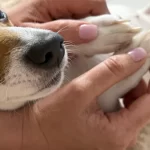
The solution is the “salami slice” method. Never try to clip the whole nail at once. Take thin slices off the end. For pets with clear or light-colored nails, the quick is visible as a pink dot in the center. Stop when you see it approaching. For black nails, look for a chalky gray or beige ring at the cut surface—this tells you the quick is near. When in doubt, trim less. You can always take another slice. Leave the rest for another day.
If you do hit the quick, do not panic. Apply styptic powder or corn starch with pressure. Bleeding stops within a few minutes in most cases. If it does not, call your vet.
Bathing Too Often—or Not Enough
Both extremes cause problems. Over-bathing strips natural oils from the coat—these oils are what keep skin elastic, fur water-resistant, and the whole system functioning properly. Pets who are bathed too frequently often develop the exact dry, flaky, itchy skin that worried owners assume requires more bathing to fix.
For most dogs, once every four to six weeks is plenty unless they have gotten into something genuinely dirty or toxic. Cats almost never need baths. The occasional medicated bath for a skin condition is the exception. If your cat is elderly and cannot groom herself properly, that is a veterinary and grooming conversation, not a routine schedule.
What matters more than frequency is technique: brush first, use correct products, rinse completely, and dry thoroughly. A well-executed bath every six weeks beats a rushed one every week.
Ignoring Ears and Eyes
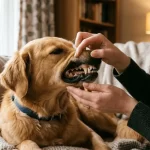
Ear infections are one of the most common preventable problems in dogs, especially those with floppy ears. Moisture gets trapped, bacteria and yeast proliferate, and by the time you notice the smell or the head shaking, the infection has had days to establish itself. After every bath or swim, dry your dog’s ears thoroughly. Squish the ear flap closed gently to wick out moisture from the canal. Do not use cotton swabs inside the canal—ever.
For eye discharge, use a damp cotton ball and wipe gently from the corner of the eye outward. Do not use the same ball for both eyes. If the discharge is green, yellow, or crusty in a way that suggests infection rather than normal tear staining, that is a vet visit.
Brushing Wet Fur
Brushing a soaking wet dog or cat is one of the most reliable ways to damage the coat. Wet hair is more elastic and snaps more easily than dry hair. Brushing through wet tangles pulls and breaks healthy strands. If your pet has mats after a bath, the correct response is to let the coat dry first, then brush. Never force a brush through wet tangles.
The correct sequence is: brush before the bath, bathe, dry completely, then brush again after drying. If your pet has mats that were not caught before bathing, wait until the coat is fully dry and mist with detangling spray before working through them with a wide-tooth comb.
When to Call a Professional
Some grooming tasks are genuinely beyond what most owners should handle at home. If your pet has severe mats—mats that cannot be worked through with fingers and a comb—do not try to cut them out yourself. A professional groomer has the tools and experience to remove severe mats safely without cutting the skin underneath.
Express anal glands at home only if you have been specifically trained by a veterinarian. Improper technique can cause ruptures or severe infection. If your dog is scooting or licking the area persistently, that is a veterinary issue, not a grooming issue.
Sedated grooming for pets with severe anxiety or physical limitations is a legitimate option that a vet can discuss with you. Forcing a terrified pet through a full groom because you do not want to “give up” is not bravery—it is causing harm.
Grooming is an act of care. But care only works when it is informed. The most loving thing you can do for your pet at bath time is to do it correctly, even if that means fewer products, slower sessions, and the occasional call to someone with more experience.