There is a moment every veterinarian dreads: an owner walks in saying their dog has been “a little quieter than usual” or “not quite herself.” What they do not realize is that their dog has been living with a failing heart — sometimes for months — while the signs stayed quiet enough to miss at home. Heart disease is one of the leading causes of death in older dogs, and unlike a limp or a hot spot, the early warnings rarely look like an emergency. That silence is exactly what makes it so dangerous.
Why Heart Disease Sneaks Up in Dogs
Dogs cannot tell you when something feels wrong inside their chest. By the time obvious symptoms appear — a hard, persistent cough, a swollen belly, collapse during a walk — the disease has usually progressed well beyond its earliest stage. The heart compensates in quiet ways: beating slightly faster, retaining fluid slightly more efficiently, learning to work with less oxygen. Dog owners mistake these adjustments for normal aging. That misinterpretation costs precious time. Early veterinary screening and knowing what subtle shifts to watch for can change the outcome significantly.
The Cough That Does Not Act Like a Cough
One of the most commonly missed signs of early heart disease in dogs is a cough that gets worse at night or after lying down. This is not the same as the cough a dog gets after drinking water too fast. It is a deep, wet-sounding cough that often comes with a slightly extended abdomen — the result of fluid building up because the heart is no longer pumping efficiently. Owners frequently assume it is kennel cough, allergies, or a minor respiratory infection. When the cough persists beyond a week or sounds like it is coming from deep in the chest rather than the throat, it warrants a vet visit, not a wait-and-see approach.
Fatigue That Shows Up Where You Least Expect It

A dog who used to bound out the door for a walk but now lags halfway is not being lazy. Decreased exercise tolerance is one of the earliest clinical signs of cardiac compromise in dogs. The heart, struggling to meet oxygen demands during activity, forces the body into a slower pace. This fatigue is easy to attribute to age, heat, or a off day. But when it becomes a pattern — your dog resting more, needing to be coaxed for walks that used to be met with excitement — it is worth investigating. Even mild early-stage heart disease can show up as this kind of quiet slowdown before any obvious respiratory signs.
Breathing Changes That Are Easy to Normalize
Rapid breathing at rest is one of the clearest early indicators that a dog is working harder than normal to get oxygen. A healthy adult dog at rest breathes between 10 and 30 times per minute. When that number climbs consistently above 30, and especially when you can see the chest expanding more dramatically than usual, the heart may be struggling. Labored breathing at rest in a calm dog — not one who has just been running or playing — is a signal that needs attention. Many owners sleep next to their dogs without realizing the breathing pattern they are hearing is abnormal for that individual dog’s normal rate.
The Belly Looks Bigger, But She Has Not Gained Weight
Cranial organomegaly and fluid retention caused by heart disease can give a dog a pot-bellied appearance even when her ribs and spine still feel prominent underneath. This distension is not fat — it is the result of blood backing up behind a weakening heart and fluid leaking into the abdomen. Owners often describe this as their dog “looking pregnant” or “just getting chunky.” The distinction matters. If the belly looks full but you can still easily feel the ribs and spine when you run your hands along the sides, weight gain alone is an unlikely explanation.
Gum Color Changes That Tell You Something Is Wrong
A healthy dog’s gums are pink and moist. Pale, grayish, or bluish gums indicate that oxygen is not being circulated properly — a serious red flag that should trigger an immediate vet call. Press a finger gently against the gums: the color should return to pink within two seconds of releasing the pressure. If it stays pale or white, that is called poor capillary refill time and it points to circulatory problems that may be heart-related. Gum color checks take seconds and can be done at home as part of a regular wellness routine, especially in dogs over age seven.
Breeds at Higher Risk
Some breeds carry a significantly higher genetic load for specific types of heart disease. Cavalier King Charles Spaniels are predisposed to degenerative mitral valve disease at remarkably high rates — many show signs by age five. Small breeds in general, including Poodles, Chihuahuas, and Miniature Schnauzers, are more prone to chronic valvular heart disease. Large and giant breeds like Great Danes, Doberman Pinschers, and Boxers are more likely to develop dilated cardiomyopathy, a condition where the heart muscle itself becomes thin and weak. Knowing your breed’s risk profile means knowing when to be proactive rather than reactive.
What the Vet Will Do at a Heart Screening
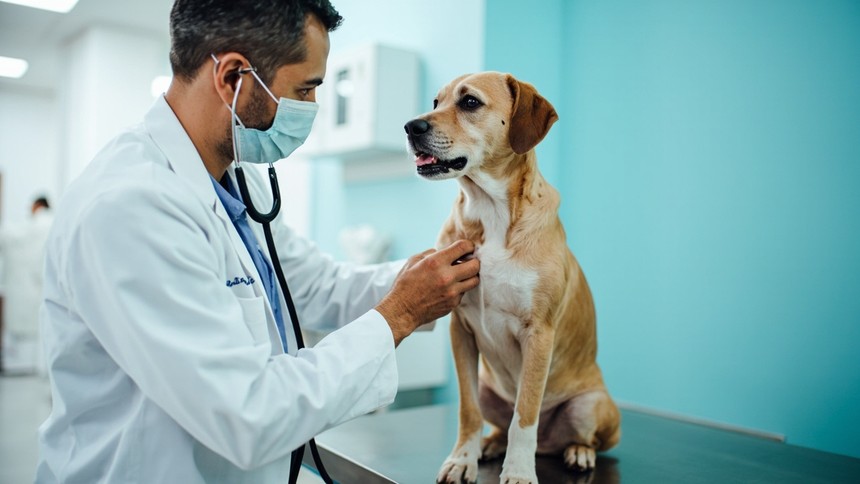
A routine vet visit for a heart concern typically starts with a stethoscope exam — the veterinarian listens carefully to the rate, rhythm, and presence of any murmurs or irregular sounds. A heart murmur is not always present in early disease, but when it is detected, it gets graded on a scale of 1 through 6 to indicate severity. From there, the vet may recommend chest X-rays to check for heart enlargement and fluid in the lungs, an electrocardiogram to assess electrical activity, or an echocardiogram — an ultrasound of the heart — to see exactly how the chambers and valves are functioning. Early diagnosis with echocardiography is considered the gold standard because it shows the heart working in real time.

Supporting a Dog With Early Heart Disease
The good news is that heart disease caught early can often be managed successfully for months or years with the right plan. Sodium-restricted diets help reduce fluid retention and ease the heart’s workload. Prescription cardiac medications such as ACE inhibitors, diuretics, and positive inotropes are commonly prescribed once a diagnosis is confirmed. Weight management is critical — every extra pound puts additional strain on a heart that is already compromised. Gentle, regular exercise tailored to the dog’s current capacity — not the capacity she used to have — keeps muscles active without overtaxing the cardiovascular system. Regular recheck appointments every three to six months allow the vet to adjust the management plan as the disease progresses.
Heart disease in dogs does not announce itself with drama. It arrives quietly, settling in behind a slightly increased sleeping breathing rate, a little less enthusiasm for the morning walk, a cough blamed on something minor. Paying attention to these early, quiet signals — and acting on them before they become crises — is one of the most important things a dog owner can do. Your dog is counting on you to notice what she cannot say out loud.