Cats are masters at hiding discomfort. Unlike dogs, who often limp visibly or whine when something is wrong, felines have evolved to mask signs of illness—a survival instinct that dates back to their wild ancestors. This silent suffering extends to one of the most common endocrine disorders affecting domestic cats today: diabetes mellitus. Estimates suggest that somewhere between 0.2% and 1% of the general cat population develops diabetes, with those numbers climbing in recent decades as obesity rates in cats rise alongside their human companions. Understanding this disease, recognizing its early warning signs, and knowing what steps to take could quite literally save your cat’s life.
Feline diabetes occurs when a cat’s body either cannot produce enough insulin or becomes resistant to the insulin it does produce. Insulin is the hormone that allows glucose—the primary fuel derived from food—to enter cells throughout the body. Without adequate insulin functioning, glucose builds up in the bloodstream while cells starve for energy. The condition is most commonly seen in middle-aged to older cats, with males at slightly higher risk than females. Certain breeds, including the Burmese, Siamese, and Australian Mist, appear predisposed to developing the disease.
What Is Feline Diabetes and Why It Develops
At its core, feline diabetes mirrors the human condition known as Type 2 diabetes. The pancreas produces beta cells that secrete insulin in response to rising blood glucose levels after meals. In a diabetic cat, one of two things has gone wrong. In some cases, the immune system mistakenly destroys the insulin-producing beta cells—a process more akin to Type 1 diabetes, though this is relatively rare in cats. Far more commonly, the cat’s body cells stop responding normally to insulin, a state called insulin resistance. The pancreas compensates by producing more and more insulin, but eventually the beta cells become exhausted.
Several factors contribute to the development of this insulin resistance. Obesity is the single greatest modifiable risk factor. Fat tissue is metabolically active and releases hormones and inflammatory signals that interfere with insulin signaling pathways. A cat carrying just two or three extra pounds above its ideal body weight can develop significant insulin resistance. Physical inactivity, which has become increasingly common as indoor-only lifestyles become the norm, compounds the problem by reducing muscle mass and decreasing the body’s capacity to absorb glucose. Diet also plays a critical role—high-carbohydrate dry foods place constant demands on the pancreas that may, over years, lead to exhaustion. Finally, underlying medical conditions such as chronic pancreatitis, hyperthyroidism, and certain medications like corticosteroids can all trigger or accelerate the onset of diabetes.

The Warning Signs You Cannot Afford to Miss
Early detection of feline diabetes dramatically improves outcomes. The challenge is that the initial signs are subtle and easily mistaken for normal aging. Pet owners should familiarize themselves with the four classic symptoms: polyuria (increased urination), polydipsia (increased thirst), polyphagia (increased appetite), and weight loss despite a hearty appetite. These symptoms arise because the body’s cells, starved of glucose, send signals that drive food-seeking behavior while the excess glucose in the bloodstream draws water with it during urine production.
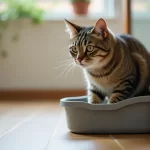
Beyond these hallmark signs, attentive owners may notice other early indicators. A cat that begins urinating outside the litter box may be signaling a urinary tract issue or diabetes-related polyuria. A dull, greasy coat is another common sign, since diabetic cats often feel too unwell to maintain their grooming rituals. Some cats become notably less active, sleeping more and showing reduced interest in play. Others may develop a peculiar hindlimb weakness where they walk flat-footed on their hind legs—this is called a plantigrade stance and results from diabetic neuropathy. Any one of these signs warrants a veterinary visit, but the presence of multiple signs together should be treated as urgent.
Which Cats Are Most at Risk
While any cat can develop diabetes, certain populations carry significantly elevated risk. Obese cats sit at the top of this list. Studies consistently show that cats weighing more than 11 pounds have substantially higher diabetes incidence. Age is another non-modifiable factor: most diabetic cats are diagnosed between 9 and 11 years of age. Male cats are diagnosed roughly twice as frequently as females.
Breed predisposition adds another layer of risk assessment. Burmese cats show diabetes rates up to four times higher than the general cat population. Siamese, Russian Blue, Abyssinian, and Norwegian Forest Cat breeds also appear overrepresented in diabetic populations worldwide. Indoor cats with limited exercise opportunities face higher risk than outdoor cats who roam. Cats receiving chronic corticosteroid medications face iatrogenic risk and should have blood glucose monitored regularly.

How Vets Diagnose Diabetes in Cats
Diagnosis of feline diabetes begins with a thorough history and physical examination, but definitive diagnosis relies on laboratory testing. A single elevated blood glucose reading is not enough—stress hyperglycemia is extremely common in cats, particularly in veterinary clinic settings where the car ride and unfamiliar environment can cause transient spikes that mimic diabetes.
The gold standard for confirming persistent hyperglycemia is measurement of serum fructosamine. Fructosamine forms when glucose binds to proteins in the blood and remains elevated for approximately one to two weeks, providing a snapshot of average blood glucose control. A persistently elevated fructosamine level in a cat with clinical symptoms confirms diabetes. Some veterinarians also recommend a complete blood panel and urinalysis to rule out other conditions—including hyperthyroidism, chronic kidney disease, and urinary tract infections.
Treatment Options and What Owners Need to Know Daily
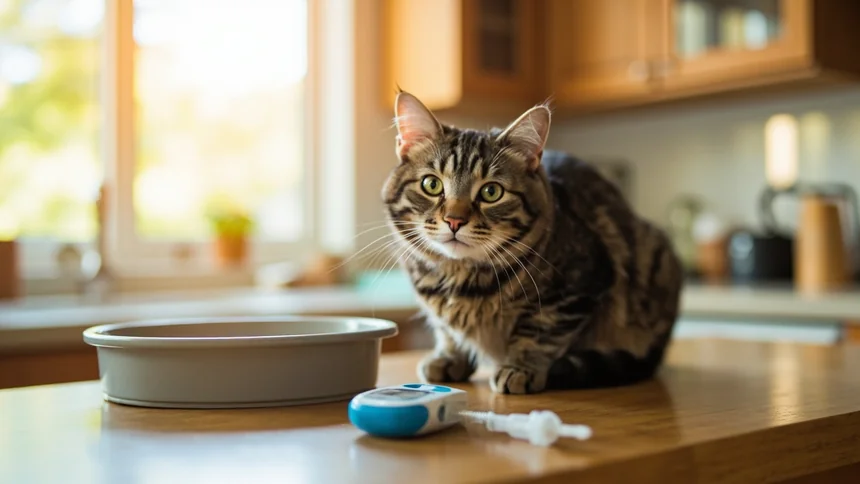
Treatment of feline diabetes centers on three pillars: insulin therapy, dietary management, and consistent blood glucose monitoring. Most diabetic cats require twice-daily insulin injections, administered under the skin using tiny insulin syringes. While the idea of giving shots to a cat sounds daunting, the vast majority of owners report that the reality is far easier than anticipated—most cats barely notice them. Injectable insulin specifically formulated for cats, such as glargine (Lantus) or detemir (Levemir), is typically preferred because these newer insulins provide smoother, more stable blood glucose control with lower risk of dangerous hypoglycemia.
Dietary management is equally critical and often underemphasized. The ideal diet for a diabetic cat is high in protein and low in carbohydrates. Wet or canned foods are generally superior to dry kibble because they contain less carbohydrate and provide better hydration. Many veterinarians now recommend raw or gently cooked fresh diets for diabetic cats when owners can commit to the additional preparation. Feeding should be consistent in timing and portion size, ideally divided into two meals that coincide with insulin injection times. Some cats with very mild diabetes may achieve remission through diet alone, without needing insulin—which is one reason early intervention is so valuable.
With diligent management, many diabetic cats experience diabetic remission within weeks to months of starting treatment. For cat owners who invest the time and attention that diabetic management requires, the rewards are substantial. Diabetic cats under good control can live full, active, happy lives virtually indistinguishable from their non-diabetic counterparts. The daily routine of insulin injections, measured meals, and periodic blood glucose checks becomes second nature within a few weeks. Many owners describe the experience as deepening their bond with their cat.
Prevention remains the best medicine where it is possible. Maintaining your cat at a healthy weight through portion-controlled feeding and regular play activity is the single most impactful step you can take. Annual veterinary wellness examinations become increasingly important as cats age, and senior blood screening panels that include glucose measurement can catch early abnormalities before they progress. Paying attention to subtle changes in your cat’s water intake, urination habits, appetite, weight, and coat quality gives you an early warning system that no screening test can replace.