A cat may visit the litter box several times a day without attracting much attention. But when those visits become unusually frequent, take longer than normal, or produce very little urine, something may be wrong.
Urinary problems in cats can range from bladder inflammation to mineral stones and potentially life-threatening blockages. The tricky part is that the early signs can look like ordinary litter box behavior, and cats often hide discomfort until they feel quite unwell.
Knowing what to watch for can help you recognize a problem early and understand when your cat needs emergency care.

1. Watch for Changes in Litter Box Habits
Your cat’s usual routine is an important health clue. A sudden change deserves attention, especially if it happens repeatedly rather than just once.
Possible warning signs include:
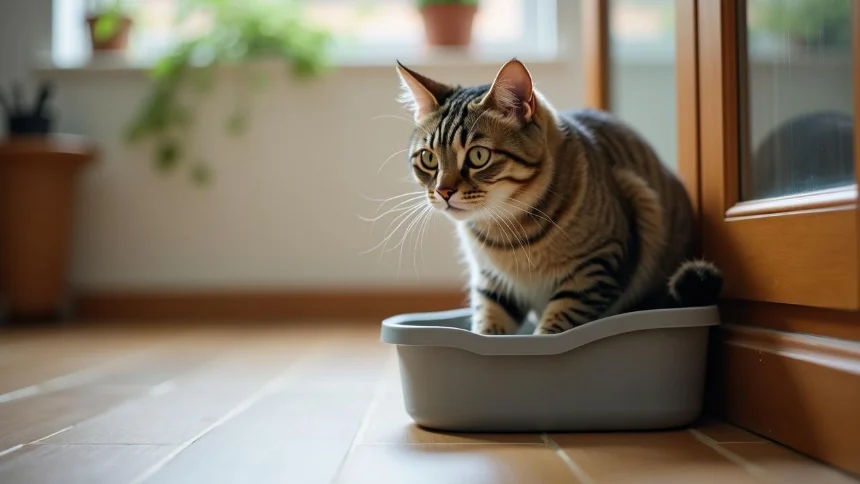
- Making frequent trips to the litter box.
- Sitting or squatting for a long time before passing urine.
- Producing much smaller urine clumps than usual.
- Crying, meowing, or appearing uncomfortable while urinating.
- Passing urine outside the litter box despite normally using it reliably.
- Licking the genital area more often than usual.
- Noticing pink, red, or bloody urine.
These signs can have several causes, including bladder inflammation, urinary stones, infection, or a blockage. You cannot reliably tell which condition is responsible just by watching your cat at home.
Do not assume that urinating outside the litter box is simply a behavior problem. Pain or urgency may cause a cat to associate the litter box with discomfort or seek another place to urinate.
2. Know the Difference Between Straining and a Urinary Emergency
One of the most important things a cat owner can recognize is the difference between difficulty passing urine and being unable to pass it.
A urethral obstruction occurs when urine cannot flow normally through the tube that carries it out of the body. This condition is particularly common in male cats because their urethra is narrower, making it easier for a blockage to develop.
Seek emergency veterinary care immediately if your cat repeatedly strains to urinate but produces no urine or only a few drops. Do not wait until the next morning to see whether the problem improves.
Other concerning signs may include restlessness, crying, vomiting, weakness, loss of appetite, or increasing lethargy. A cat with a serious blockage may initially show little more than repeated litter box visits.
A urinary blockage can quickly become life-threatening. Even if your cat seems relatively alert, the absence of normal urine production is enough to warrant immediate emergency assessment.
3. Understand What Can Cause Urinary Problems
Several conditions can produce similar symptoms, which is why veterinary examination matters.
Bladder inflammation
Feline idiopathic cystitis is a painful bladder condition in which no single underlying cause can be identified. Stress may contribute to flare-ups, and changes in routine, household tension, or the home environment can be relevant. However, stress should not be assumed to be the cause until other problems have been considered.
Urinary stones and crystals
Minerals can form crystals or stones in a cat’s urinary tract. Some stones irritate the bladder, while others may obstruct the flow of urine. Different stone types require different approaches, so a special diet should only be chosen with veterinary guidance.
Urinary tract infections
Bacterial infections can cause discomfort and changes in urination, but they are not the explanation for every cat with urinary symptoms. They are less common in otherwise healthy younger cats and may be more likely in older cats or those with certain underlying illnesses.
Other medical conditions
Kidney disease, diabetes, and other disorders can change how much a cat drinks or urinates. Increased urine volume is different from repeatedly trying to urinate while producing only drops, but both patterns can be important clues.
4. What Your Veterinarian May Check
Because several conditions look alike, a veterinarian may begin with a physical examination and a urine test. Depending on your cat’s symptoms and history, further testing may include blood work, X-rays, an ultrasound, or a urine culture.
These tests help distinguish inflammation from infection, stones, kidney problems, and other causes. If an obstruction is suspected, the priority is to assess and relieve the blockage rather than delay treatment for routine testing.
Never try to press on your cat’s abdomen or squeeze the bladder to make urine come out. This can cause pain and may worsen an already serious situation.

5. Everyday Habits That Support Urinary Health
Not every urinary problem can be prevented, but a comfortable environment and sensible daily routines can support your cat’s overall health.
- Keep fresh water available. Place clean water bowls in accessible locations. Some cats drink more readily when water is offered away from their food and litter box.
- Make litter boxes easy to use. Keep them clean, quiet, and accessible. In multi-cat homes, provide enough boxes to reduce competition and give each cat comfortable options.
- Reduce avoidable stress. Maintain predictable routines and provide hiding places, climbing opportunities, play, and separate resources for cats that do not always get along.
- Monitor normal patterns. Pay attention to your cat’s usual urine clump size, frequency of visits, appetite, thirst, and energy level.
- Follow an appropriate diet. Ask your veterinarian whether your cat needs a particular diet, especially after a urinary problem. Do not add urinary supplements or acidifiers without professional advice.
Adding moisture to the diet may help increase water intake for some cats, but diet changes should suit the individual animal. Cats with a history of urinary disease may need a specific feeding plan rather than a general over-the-counter product.
6. When to Contact a Vet
Arrange prompt veterinary advice if your cat is urinating more often than usual, has blood in its urine, appears uncomfortable, or develops a persistent change in litter box habits. Do not wait several days for these signs to disappear on their own.
If your cat cannot pass urine, repeatedly strains without producing a normal amount, or develops urinary symptoms alongside vomiting, marked weakness, or severe distress, go to an emergency veterinary clinic immediately.
When you contact the clinic, describe when the symptoms began, whether any urine is coming out, how often your cat visits the litter box, and whether you have noticed blood, vomiting, or appetite changes. If you have more than one cat sharing a litter box, explain whether you can identify which cat is affected.
A change in litter box habits is not always an emergency, but difficulty passing urine should never be dismissed as a minor inconvenience. Paying attention to what is normal for your cat—and acting quickly when that pattern changes—can make a meaningful difference to its health.