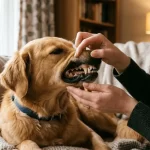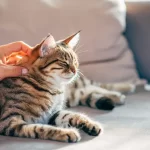
Last summer, a neighbor brought her Golden Retriever to the vet because his coat had gone completely dull and flaky. She swore she bathed him every week. The problem was not dirt — it was the bathing frequency itself, stripping away the natural oils that kept his skin healthy and protected. That single story illustrates exactly how good intentions can backfire in pet grooming.
Most pet owners genuinely want the best for their companions. Yet common grooming habits, passed along by well-meaning friends or pet store clerks, frequently do more harm than good. The damage often builds up slowly — dry skin, coat thinning, persistent itching — and by the time it becomes obvious, many weeks of harmful routine have already passed.
Over-Bathing: More Frequent Does Not Mean More Healthy
Many owners assume that weekly baths keep pets cleaner and fresher. The reality is quite different. Frequent bathing strips the natural oils from your pet’s skin — the oils that act as a protective barrier and maintain moisture. Dogs and cats with already sensitive skin are especially vulnerable. They can develop dryness, redness, and constant itching that sends them scratching through the night.
Beyond stripping oils, over-bathing also disrupts the skin’s microbiome — the community of beneficial bacteria that helps keep irritation and infection at bay. Once that balance is disturbed, pets often enter a cycle where they scratch more, creating micro-damage that makes their skin even more reactive.
The right bathing schedule depends on your pet’s coat type, skin condition, and daily activity level. Active outdoor dogs who love rolling in dirt may need baths every few weeks. Low-activity indoor cats sometimes go months without one and stay perfectly comfortable. Pay attention to odor, coat texture, and your pet’s comfort rather than the calendar.

Using Human Shampoo on Pet Fur
Reaching for your own shampoo when pet shampoo runs out seems harmless. It is not. Human products use a different pH balance than what works for animal skin. That mismatch disrupts the skin’s natural protective layer, leading to irritation, flaking, and unnecessary discomfort for your pet. What feels refreshing to human skin can feel aggressive to your dog or cat.
Pet-specific shampoos are formulated to match animal skin chemistry. There are gentle options for sensitive skin, oatmeal-based formulas for soothing existing irritation, and medicated varieties for pets dealing with specific skin conditions. Always keep a bottle of proper pet shampoo stocked at home so you are never tempted to substitute.
Skipping Regular Brushing Entirely
Some owners believe brushing only matters for long-haired breeds. This assumption leaves short-coated pets vulnerable too. Regular brushing removes loose fur, distributes natural oils evenly across the coat, and prevents the formation of painful mats — especially in areas like behind the ears, under the legs, and around the tail.
Regular brushing also gives you a chance to check the skin for bumps, cuts, fleas, or signs of parasites. Catching these early makes treatment far simpler and less expensive. Even five minutes a day with the right brush for your pet’s coat type can transform coat quality dramatically and reduce the amount of fur you find on your furniture.
Brushing Too Aggressively
Here is a less obvious mistake: brushing too hard. Vigorous strokes can create microtears in sensitive skin, particularly around the belly, armpits, and tail base. Pets with thin or light-colored coats are especially at risk. The goal is to loosen fur and debris, not to scrape the skin underneath.
Use a brush with soft, flexible bristles and let the tool do the work. For pets with thicker undercoats or existing mats, start with a detangling spray to soften the coat before brushing. Short, controlled strokes protect the skin while still being effective. If your pet flinches or tries to pull away during brushing, ease up immediately — pain is never part of a healthy grooming session.
Trimming Nails Without Checking Length Standards
Nail care gets overlooked more often than any other grooming task. Overgrown nails change the way your pet walks, placing unusual pressure on the joints and spine. In time, this contributes to joint strain and discomfort — particularly in older pets whose joints are already showing signs of aging.
The simplest test: if your pet’s nails click on hard floors, they are too long. Trim a small amount at a time, and stop before you reach the quick — the blood vessel inside the nail. If your pet has dark nails where the quick is invisible, trim less each time and check frequently. When uncertainty strikes, a vet or professional groomer can handle the first few sessions while you observe the technique.

Neglecting Ear and Eye Cleaning
Clean fur and trimmed nails are only part of the picture. Ears and eyes accumulate bacteria, wax, and debris that can lead to painful infections if ignored. Dogs with floppy ears and cats with dense facial fur need the most attention in these areas. Signs of trouble include head shaking, redness, odor, or unusual discharge.
Clean ears gently using a vet-approved solution — never push cotton swabs deep into the ear canal, as this can push debris further in or cause damage. For the eyes, wipe away daily discharge with a soft, damp cloth using a different corner for each eye to avoid spreading bacteria. Weekly checks take only a couple of minutes but prevent costly infections and long-term discomfort down the road.
Relying Too Heavily on Grooming Wipes
Grooming wipes feel like a modern convenience — quick, disposable, and effective for freshening up between baths. The problem is that many wipes contain preservatives, fragrances, or alcohols that actually irritate sensitive skin. Dragging a wipe across your pet’s coat also tugs at hair follicles with each pass, which adds up over repeated use.
Wipes work well for cleaning paws after a muddy walk or wiping down a specific dirty spot without a full bath. They should not replace actual bathing or proper brushing routines. For between-bath maintenance, a gentle rinse-free cleanser or a soft grooming towel gives better results without the chemical exposure that can trigger skin reactions.
Grooming mistakes rarely come from bad intentions. They come from outdated advice, convenience habits, and a genuine lack of information about what pets actually need. Watching your pet’s reactions during and after grooming sessions tells you more than any article or product label ever could. Discomfort, resistance, or sudden itching after grooming are signals worth investigating. Building a thoughtful, pet-specific routine takes a little extra time — but the result is a healthier coat, happier skin, and a pet who actually enjoys being groomed.