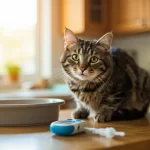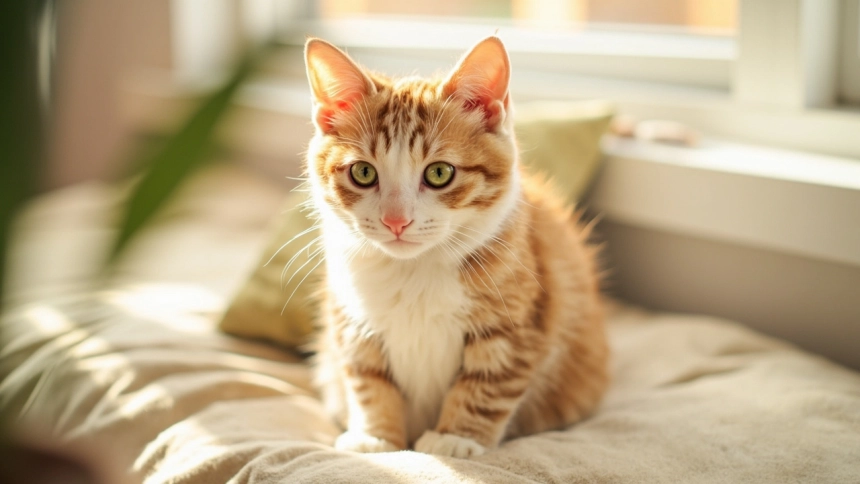
The carpet in my spare bedroom developed a pattern. Every few days, the same corner, the same orange tabby, the same bewildered look on her face when I found it. She was not acting out. She was communicating. Once I figured out what she was trying to tell me, the accidents stopped within two weeks.
Litter box refusal is one of the most common reasons cats get surrendered to shelters, and one of the most misunderstood. People assume it is spite, revenge, or a behavioral problem requiring medication. The reality is usually simpler and more fixable than that. Cats do not eliminate outside the box to punish their owners. They do it because something about the set-up is wrong from their perspective.
Medical Problems Come First
Before assuming it is a behavior issue, you need a vet visit. Urinary tract infections, bladder stones, crystals in the urine, and inflammatory bowel disease can all cause a cat to associate the litter box with pain and avoid it. A cat with a urinary tract infection feels a burning sensation when urine touches inflamed tissue, and if that happened every time they used the box, they learn to avoid it.
Diabetes and kidney disease increase thirst and urination volume, meaning cats need the box more frequently. If the box is not clean enough for frequent use, accidents happen. Senior cats with arthritis may have trouble climbing into high-sided boxes or reaching a box located upstairs when mobility becomes painful.
Any sudden change in litter box habits in an otherwise healthy cat warrants a veterinary workup first. Rule out medical causes before treating it as a behavioral issue.
The Litter Box Set-Up Checklist
Number one complaint from cats: the box is not clean enough. A scooped box should be the baseline, not a special effort. Cats have far more sensitive noses than humans, and what smells fine to us can be overwhelming to them. If you would not want to sit in it, your cat probably does not want to use it.
Number of boxes matters. The rule is one box per cat plus one extra, minimum. In a multi-level home, boxes should be on each floor. Placing all boxes in a basement or utility room means a cat on the second floor has to make a long trip every time they need to go.
Location matters as much as cleanliness. Cats do not want to eliminate in a high-traffic area where they might be interrupted. They prefer quiet, accessible spots with a clear view of the room so they are not surprised. A box in a corner behind a plant and a stack of boxes creates an ambush feel that most cats dislike.

Litter Type and Depth
Most cats prefer unscented, fine-grained clumping litter over scented or coarse varieties. The texture matters more than owners realize. Clumping litter typically wins preference tests because it feels more similar to dirt or sand under the paws.
Fill the box with two to three inches of litter. Too little feels like standing on a hard floor. Too much creates an unstable surface that some cats find off-putting. Depth should be consistent across the entire box floor, not piled high in corners.
Plastic liners create a crinkly surface that some cats hate, and they can also trap odor in the seams. Plain plastic boxes without liners are easier to keep clean and more comfortable for most cats.
Stress and Environmental Changes
Cats are creatures of routine. A new pet in the house, a baby, a move, even rearranging furniture can trigger anxiety that manifests as litter box avoidance. The cat is not being difficult, they are coping the best way they know how.
Multi-cat households need enough resources to go around. Each cat needs their own food bowl, water station, and litter box. Cats do not share social spaces the way dogs do. A dominant cat can block another cat from accessing the box, creating a situation where the subordinate cat has accidents rather than risk confrontation.
Feliway diffusers and calming supplements can help in the interim, but they are band-aids, not solutions. The underlying resource or stress issue needs to be addressed for lasting improvement.
Cleaning Accidents Properly
Regular household cleaners do not break down the proteins in cat urine effectively. An enzymatic cleaner specifically designed for pet accidents is non-negotiable for cleanup. If the spot still smells like a bathroom to a cat nose, they will return to it.
Black lights help identify where previous accidents have been, including ones you cannot see or smell. The urine fluoresces under UV light, making it possible to treat areas that seem clean but still carry enough scent to attract repeat visits.
Never use ammonia-based cleaners. They smell like urine to cats and can actually encourage them to soil the same spot again.

What Actually Works: A Realistic Timeline
Litter box issues do not resolve overnight. With medical causes ruled out, environmental causes addressed, and proper cleanup, most cats return to reliable box use within two to four weeks. Some take longer, especially if the avoidance became a long-standing habit before the root cause was fixed.
Patience and consistency matter more than any product or quick fix. Cats are not being malicious. They are responding to something in their environment that they find unacceptable. Finding and fixing that thing is the entire solution.