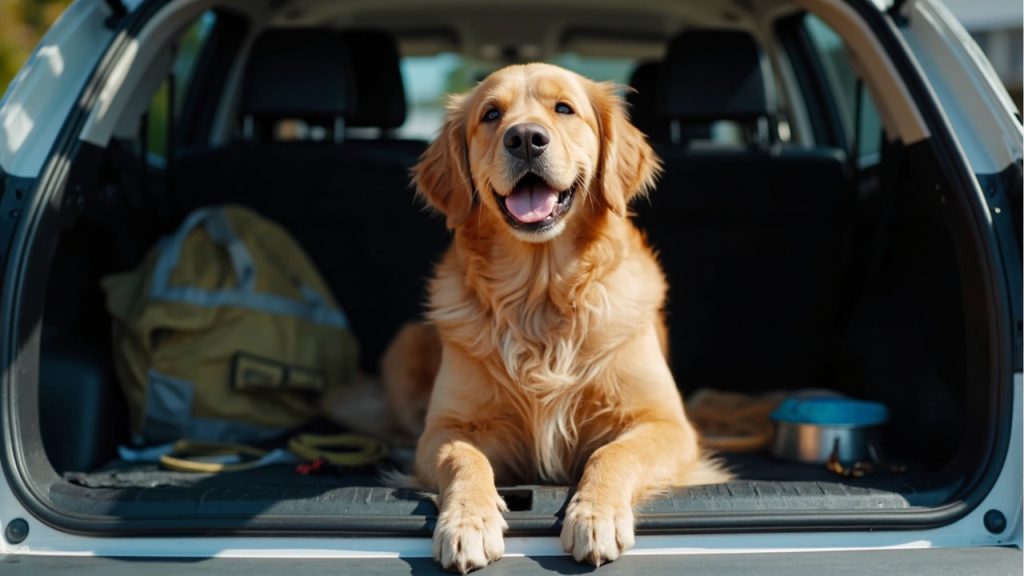
There is a particular kind of optimism that kicks in the moment you decide to bring your dog or cat along for a road trip. The windows go down, the music gets softer, and your pet settles into that rare alertness of being somewhere completely new. But that feeling depends entirely on one thing: whether you packed well enough to keep them safe, comfortable, and calm from driveway to destination.
Food and Water: The Non-Negotiables
Before anything else, pack enough of your pet’s regular food to last the entire trip — plus one extra day as a buffer. Switching brands mid-journey invites stomach upset, and finding the same brand in an unfamiliar town is never guaranteed. Bring a week’s worth in a sealed, labeled container. Pair that with a collapsible water bowl and a supply of your pet’s usual water from home. Sudden changes in water chemistry can put off even the thirstiest cat, so consistency matters here. If you are traveling for more than a week, research pet supply stores along your route in advance so you know exactly where to restock without resorting to whatever is available on the shelf.
Treats deserve their own spot in the kit. They are not just rewards — they are behavioral tools on the road. A stressed dog in a new environment responds far better to a familiar treat than to verbal reassurance alone. Pack more than you think you will need. For cats, bring a few of their favorite freeze-dried treats or soft chews — anything that carries an intensely familiar scent will help them settle in an unfamiliar environment. On long driving days, a treat every ninety minutes or so helps maintain blood sugar and reduces the likelihood of travel nausea in both species.
Safety Gear: What Could Save Their Life
A pet first aid kit is not optional on a road trip — it is essential. Include styptic powder for nail breaks, gauze and medical tape for minor wounds, tweezers for ticks, and your vet’s direct phone number saved in your phone. If your pet takes prescription medication, pack double the amount you expect to need. Lost hours in a strange town trying to locate a pharmacy that stocks a specific drug is a situation you want to avoid entirely. Beyond the basics, consider adding a digital thermometer, hydrogen peroxide for wound flushing, and a splinting bandage for suspected limb injuries. Knowing the location of the nearest emergency vet clinic along your route before you leave is a planning step that separates responsible pet travelers from the rest.
Every pet, regardless of how well-behaved they are, needs proper vehicle restraint. Unrestrained pets in moving vehicles are statistically far more likely to be injured in a crash, and in many states, an unsecured animal is also a legal liability. A crash-tested crate for cats or a properly anchored harness for dogs are the only two acceptable options. Cat carriers should be large enough for the cat to stand and turn around — a cramped carrier adds anxiety to an already stressful experience. For dogs, a harness that clips directly into the seatbelt latch distributes crash force across the chest and shoulders rather than the neck, which is the only design worth trusting.

Identification and Documentation
Double-check your pet’s ID tag before departure. The tag should display your current mobile phone number — not your home landline, which nobody will reach while you are two states away. If your pet is microchipped, log into the chip manufacturer’s database and confirm your contact information is up to date. Many owners forget this step after a move or phone change, rendering the chip useless exactly when it matters most. Carry a second form of ID — a rabies tag on a separate collar or a flat-mounted ID plate on the carrier — because tags fall off, collars catch on crate latches, and redundancy saves lives in the worst scenarios.
Bring physical copies of your pet’s vaccination records. Many campgrounds, pet-friendly hotels, and national park trailheads require proof of rabies vaccination at check-in. A photo of these documents saved offline on your phone is smart, but a printed copy in your glove box remains the most reliable backup. If your pet has a health condition that requires ongoing treatment, carry a letter from your veterinarian detailing the diagnosis, current medications, and dosing schedule. This document can be the difference between being turned away at a border checkpoint and being waved through with a simple nod.
Comfort and Calm: The Often-Overlooked Essentials
A piece of your pet’s own bedding — a blanket, a familiar toy, something that carries the scent of home — does more for their stress levels than most owners realize. Dogs especially read environmental familiarity through scent, and a familiar-smelling item in an unfamiliar car or motel room can be the difference between a restless night and a settled one. For cats, this means keeping their own blanket in the carrier at all times, not just during trips. For dogs, a crate mat that has been used at home for months carries enough familiar scent to make a motel room feel marginally less alien.
For cats, the carrier itself should be treated as a safe space. Place a worn t-shirt inside so your scent is present. Keep the carrier covered with a light cloth during travel to reduce visual stimulation. For dogs prone to car anxiety, conditioning them to the car in the weeks before the trip — short drives to a park, positive associations with the crate — pays dividends on longer journeys. Calming aids such as pheromone sprays for cats or thunder shirts for dogs are worth the marginal luggage space they take up. They are not sedatives — they work by reducing general anxiety rather than inducing sleep, which makes them appropriate for travel days where your pet still needs to be alert and responsive.
Waste Management and Cleanup
No one enjoys the conversation, but waste cleanup supplies are a mandatory part of any pet travel kit. Bring waste bags in quantity — more than you think you will need, because the volume of waste on a road trip always exceeds what you calculate in advance. Include a small pack of enzymatic cleaner for accidents, plus paper towels or disposable shop towels. In hot climates, never leave soiled materials in a closed car — the odor becomes overwhelming within minutes and can permanently condition your pet to associate the car with discomfort, which creates problems on the return leg of the journey.
For cats, bring a portable litter box with enough litter for the duration of the trip. A small plastic storage bin with a lid works well — disposable, lightweight, and easy to set up in a pet-friendly motel bathroom. Keeping to the same litter brand matters here too; cats can refuse a litter box because of an unfamiliar texture or scent, and a cat refusing to toilet in a strange bathroom is a problem that escalates quickly into a medical concern. Set up the portable litter box in the bathroom with the door closed and a familiar mat underneath to give your cat the best chance of using it without stress.
Before You Leave: The Final Pre-Departure Check
About an hour before departure, feed your pet a modest meal — a full stomach before a long car ride invites nausea. Offer water right up until you load them in. Walk dogs before loading and allow cats to use the litter box one last time. If your route crosses state lines, research the pet import regulations for your destination in advance. Some states have quarantine requirements or restrict certain breeds, and discovering this at a checkpoint ruins the trip for everyone. A fifteen-minute call to your vet to ask about any health certificates required for interstate travel is fifteen minutes well spent before you leave.
The most prepared pet travelers share one common habit: they run through a mental checklist before every departure, not just the first one. Gears get moved, bags get unpacked and repacked, and it is easy to accidentally leave something behind on subsequent trips. Printing a checklist and sticking it to the inside of your front door is not overcautious — it is how professionals travel with animals. The goal is not perfection. It is making sure that when something goes slightly wrong — and on a long trip, something always goes slightly wrong — you have what you need to handle it without panic.