Not all dogs need the same grooming routine. A Chihuahua with a smooth single coat and a Golden Retriever with a thick double layer are both dogs, but their grooming needs are so different that following the same approach for both can mean either doing too much or not enough. Understanding your pet is coat type is the single most useful piece of information you can have before buying a brush, scheduling a bath, or deciding how often to see a professional groomer.
Coat type determines everything from how often you need to brush to what kind of tool works best, how often baths are beneficial or harmful, and what health symptoms you should be watching for. Pet stores are full of brushes and grooming tools that are excellent for the right coat and useless or even damaging for the wrong one. The price tag on the package tells you nothing about whether it is the right match for your dog.

The Five Main Coat Types
Smooth coats are the simplest. Breeds like Beagles, Boxers, and Dalmatians have a short, close-lying coat that lies flat against the body. These coats repel dirt relatively well and do not mat. A rubber curry brush or a soft bristle brush is usually sufficient for weekly maintenance. Bathing needs are minimal unless your dog has gotten into something messy — overbathing a smooth-coated dog can actually strip natural oils from the skin and cause dryness or irritation.
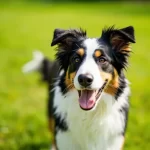
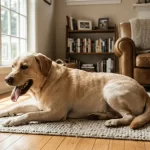
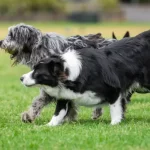
Double coats are where most owners get confused. Breeds like Golden Retrievers, Huskies, Border Collies, and German Shepherds have a soft undercoat beneath a harsher outer guard hairs. The undercoat is dense and insulating; the outer coat is protective and water-resistant. These coats blow out heavily twice a year during seasonal transitions and moderately throughout the rest of the year. The correct tool for a double coat is an undercoat rake or a slicker brush designed to reach the undercoat without cutting or damaging the outer guard hairs. Using a Furminator or similar heavy-duty de-shedding tool every day damages the guard hair layer and can cause coat thinning over time.
Long coats require the most consistent maintenance. Afghan Hounds, Shih Tzus, Yorkshire Terriers, and Collies have hair that grows continuously rather than to a set length. Without regular brushing — ideally every one to two days — their hair mats close to the skin, particularly behind the ears, under the armpits, and in the groin area. Once mats form, they are not just a cosmetic problem. They pull on the skin, cause discomfort, and can lead to skin infections underneath. For long coats, a quality steel comb and a slicker brush are both essential tools.
Wire coats have a rough, broken texture that is more common in terrier breeds and breeds like the Schnauzer. The wire coat does not mat easily, but it requires hand stripping or clipping to maintain its correct texture and appearance. Hand stripping is a technique where dead hair is pulled out by hand or with a stripping knife to preserve the coat is natural color and texture. Most pet owners who do not show their dogs opt for clipping instead, which softens the coat over time but is easier to do at home. Neither technique is wrong — they just produce different results.
Corded coats, like those on Pulis and Komondors, are relatively rare and are a specialized category. The hair naturally cords as it grows, creating rope-like protective layers. These coats should never be brushed — brushing destroys the cording. They require careful separation of the cords and regular washing and drying to prevent odor and mildew. This is a coat type that is best managed with guidance from breeders or breed-specific groomers.
Why Coat Type Matters for Health, Not Just Appearance
The coat is not just about looks. It is a functional part of the dog is integumentary system — the organ system that includes skin, hair, nails, and related structures. A healthy coat provides insulation, protection from UV radiation, a barrier against parasites and pathogens, and regulation of body temperature. When the coat is not being cared for correctly, these functions are compromised.
Dogs with double coats who are shaved down in summer to keep them cool are often doing more harm than good. The double coat provides insulation against both heat and cold — the undercoat traps cool air in summer and warm air in winter. Shaving removes this system and can also cause the undercoat to grow back softer and denser, which actually makes the dog feel hotter and increases the risk of sunburn and heat exposure. This is one of the most persistent grooming myths that veterinarians and groomers consistently try to correct.
Similarly, dogs with skin-fold wrinkles — breeds like Bulldogs, Pugs, and Shar-Peis — need their folds cleaned and dried regularly. Moisture and debris get trapped in the folds, creating the perfect environment for yeast and bacterial infections. The grooming need here is not about coat type but about skin-fold structure, and it requires a different kind of attention than brushing or trimming.
Matching Your Tools to Your Coat
A slicker brush is one of the most versatile tools and works well for long coats, double coats, and curly coats. But a slicker brush used on a smooth coat is likely to scratch the skin without providing any real benefit. A rubber curry brush, by contrast, is excellent for smooth coats and short-haired breeds but completely useless on a Poodle or a Shih Tzu.
For double-coated breeds, the most important tool is usually an undercoat rake with appropriately spaced teeth. The teeth should penetrate to the undercoat layer without going deep enough to damage the skin. A de-shedding tool can be used occasionally — once a week during heavy shedding season — but not daily. Daily de-shedding is aggressive and counterproductive.
For long-coated breeds, a steel comb with both fine and coarse teeth is essential. The fine teeth catch smaller tangles near the skin; the coarse teeth handle the longer hair further out. Following brushing with a light spritz of leave-in conditioner or detangling spray reduces static and makes the next brushing session easier.
For wire coats, if you are not hand stripping, a quality clipper with appropriate blade attachments is more useful than most brushes. A clipper blade that leaves about half an inch of coat maintains the breed look without the complexity of hand stripping.

When to See a Professional Groomer
Professional groomers are not just for aesthetics. They have the tools, space, and experience to do things that are difficult or risky at home — particularly around the eyes, ears, and sanitary areas, and for dogs with matted coats that need to be shaved close without cutting the skin.
If your dog has mats that are close to the skin, do not try to cut them out yourself with scissors. The risk of lacerating the skin is significant, especially in areas where the skin is thin or where the dog might move unexpectedly. A professional groomer or a vet is the safer choice.
Most dogs benefit from professional grooming every four to eight weeks, depending on their coat type. Long-coated breeds that are maintained at home between visits can often stretch to an eight-week gap. Double-coated breeds that are not being shown usually only need professional attention for a bath and dry, with light undercoat maintenance done at home. Smooth-coated breeds rarely need professional grooming at all unless they have a specific styling need.
The right grooming routine is the one that matches your dog is actual coat type and your dog is individual needs. It is not about doing more — it is about doing what is appropriate. The most common grooming mistake is not under-grooming; it is mismatching the tools and techniques to the coat type, which can range from ineffective to genuinely harmful.