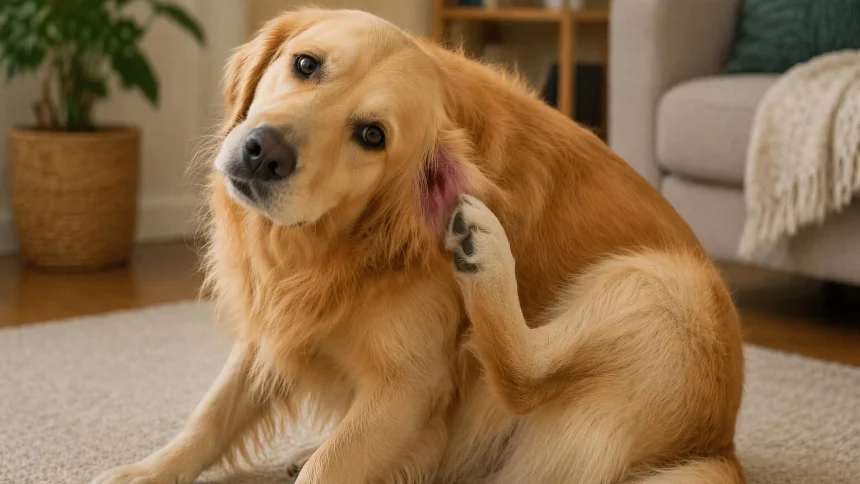
A dog may shake its head after waking up, getting wet, or scratching an itch. An occasional shake is usually nothing unusual. But if your dog keeps shaking its head, scratches one or both ears repeatedly, or seems uncomfortable when you touch its head, something may be irritating its ears.
Ear problems can start with mild discomfort and become more painful if the underlying cause is left untreated. Knowing what to look for can help you decide when to monitor your dog and when to arrange a veterinary visit.
1. What Can Cause Repeated Head Shaking?
Head shaking is a symptom rather than a diagnosis. Several different conditions can make a dog feel the need to shake or scratch its ears.
Ear inflammation or infection
Inflammation of the ear canal, known as otitis externa, is a common reason dogs repeatedly shake their heads or scratch their ears. The ear may look red, smell unpleasant, or contain more discharge than usual.
Yeast and bacteria can contribute to an ear infection, but the underlying problem may involve allergies, moisture, a foreign object, or changes in the ear canal. A veterinarian may need to examine a sample of ear material to determine which treatment is appropriate.
Allergies
Some dogs develop ear inflammation as part of an allergic condition. You may also notice itchy paws, repeated licking, skin redness, or scratching elsewhere on the body.
Recurring ear problems deserve a closer look at possible underlying causes. Treating each flare-up without addressing the reason it keeps returning may only provide temporary relief.
Water or a foreign object
Moisture after swimming or bathing can contribute to irritation, particularly in dogs prone to ear problems. Grass seeds or other small objects can also become lodged in the ear canal and cause sudden, intense discomfort.
If the head shaking begins abruptly after a walk through tall grass, or your dog seems distressed on one side, do not assume it is simply water in the ear. A foreign object may require prompt veterinary removal.
Ear mites and other causes
Ear mites are more common in cats but can also affect dogs, particularly those with exposure to affected animals. Other conditions, including growths or problems deeper in the ear, may cause similar symptoms.
Because these causes can look alike from the outside, the appearance of the ear alone is not always enough to identify the problem.

2. Signs That Your Dog’s Ears Need Attention
Look for changes from your dog’s usual behavior. One sign on its own may not reveal the cause, but several signs together make an ear problem more likely.
- Repeated head shaking or persistent ear scratching.
- Redness, swelling, or warmth around the ear opening.
- An unusual or strong odor coming from the ear.
- Brown, yellow, or bloody discharge.
- Whining, flinching, or pulling away when the ear is touched.
- Holding one ear differently from the other or tilting the head.
- A swollen ear flap, sometimes caused by blood collecting under the skin after repeated shaking or scratching.
Compare both ears if your dog allows you to do so comfortably, but do not force an examination if the area is painful. Some dogs become defensive when they hurt, even if they are normally gentle.
3. When Should You Contact a Veterinarian?
Arrange a veterinary appointment if the head shaking or scratching keeps recurring, if you notice discharge or a bad smell, or if the ear looks red and uncomfortable. A problem that repeatedly returns should not be treated as a minor nuisance.
Seek urgent veterinary care if your dog has severe pain, bleeding, sudden hearing changes, a rapidly swelling ear flap, or a suspected foreign object deep in the ear.
Head tilt, loss of balance, stumbling, unusual eye movements, or difficulty standing need prompt veterinary assessment. These signs can indicate a problem affecting the middle or inner ear or another part of the nervous system. If symptoms are sudden or severe, seek emergency care.
Do not wait for a routine appointment if your dog appears seriously unwell or cannot walk normally.
4. What Can You Safely Do at Home?
While arranging care for a dog with persistent symptoms, keep the ear dry and discourage vigorous scratching if you can do so safely. If your dog has been swimming or bathing, avoid further water exposure until the problem has been assessed.
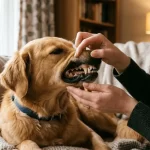
You can look at the outer ear flap in good light, noting any redness, swelling, odor, or visible discharge. Take a photograph if it helps you track changes or explain what you noticed to the veterinarian.
Do not insert cotton swabs, fingers, tweezers, or other objects into the ear canal. You could push debris deeper or injure delicate tissue.
Avoid using alcohol, hydrogen peroxide, essential oils, leftover ear medication, or human ear drops unless your veterinarian specifically instructs you to use them. Some products may irritate inflamed tissue, and certain medications are unsafe if the eardrum is damaged.
If your dog is in significant pain, do not attempt to clean the ear before the examination. Painful ears often need professional assessment before any cleaning or medication is started.
5. Why a Veterinary Examination Matters
Ear infections and other ear conditions can produce similar outward signs, but their treatments are not interchangeable.
A veterinarian may examine the ear canal with an otoscope and collect a small sample of discharge for microscopic examination. This can help identify yeast, bacteria, mites, or other clues. If the ear is very painful or blocked, a more thorough examination may require additional treatment or sedation.
The veterinarian may also ask about recent swimming, grooming, allergies, previous ear problems, and any medication already used. These details can help narrow down the cause.
Follow the prescribed treatment instructions and attend any recommended recheck. Symptoms may improve before the underlying inflammation has fully resolved, and stopping treatment too early can allow the problem to return.
6. How to Reduce the Risk of Future Ear Problems
You cannot prevent every ear condition, but a few sensible habits can help you notice problems earlier and reduce avoidable irritation.
- Check the ears regularly. Look for changes in odor, color, discharge, or comfort, especially if your dog has a history of ear problems.
- Keep bath water out of the ears. Avoid directing water into the ear canal when bathing your dog.
- Dry only what you can safely reach. Gently dry the outer ear with a soft towel when it gets wet. Do not push anything inside the canal.
- Use ear cleaners only when appropriate. Ask your veterinarian whether your dog needs routine cleaning and which product to use. Overcleaning can irritate some ears.
- Address recurring itching. If ear trouble repeatedly occurs alongside itchy skin or paws, ask whether allergies or another underlying condition may be contributing.
Dogs with floppy ears or narrow ear canals may need closer monitoring, but any dog can develop an ear problem. Breed or ear shape alone cannot tell you whether treatment is needed.
7. Pay Attention to Patterns, Not Just One Symptom
An occasional head shake after a nap is different from shaking every few minutes throughout the day. Pay attention to how often it happens, whether one or both ears seem affected, and whether your dog has other changes in behavior.
If the problem keeps returning, a short record of symptoms and previous treatments can help your veterinarian identify a pattern. Repeated ear trouble may signal an underlying condition that needs to be managed rather than treated as a series of unrelated episodes.
Your dog does not need to show every warning sign before you take ear discomfort seriously. Persistent head shaking, repeated scratching, unusual discharge, or tenderness are good reasons to seek advice. Early assessment can help relieve discomfort and reduce the risk of complications.