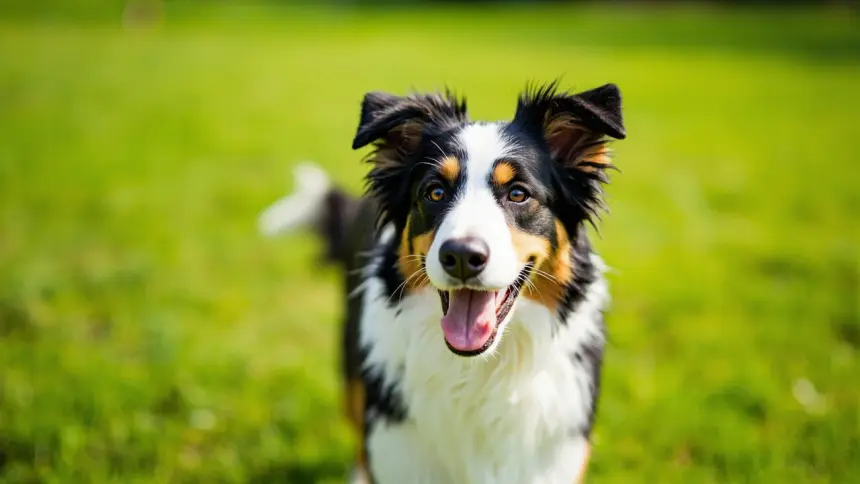
Border collies are famously the Einsteins of the dog world. They learn new commands in minutes, they can memorize hundreds of words, and they will run themselves ragged if you let them. But here is the thing most border collie owners will eventually tell you: having the smartest dog in the room does not always feel like a compliment. Sometimes it feels like living with a very attractive, very demanding dictator.
This is the paradox of highly intelligent dogs. The same qualities that make them exceptional at learning and problem-solving also make them exceptional at finding trouble, demanding attention, and running your household if you are not careful. The breeds at the top of every intelligence ranking are not necessarily the breeds that fit smoothly into every home. Understanding what kind of intelligence your dog has — and whether it comes paired with independence or eagerness to please — matters more than the raw IQ number.
Intelligence Is Not One Thing
When researchers rank dog intelligence, they are usually measuring a specific type: working and obedience intelligence. This is the ability to learn commands quickly, follow instructions reliably, and perform tasks in variable conditions. By this standard, border collies, poodles, and German shepherds top every list.
But Stanley Coren, the canine psychologist whose work popularized dog intelligence rankings, also identified two other kinds of intelligence. Instinctive intelligence is the innate ability a breed was developed for — the instinct that drives a herding dog to herd, a retriever to retrieve, a hound to follow a scent. Adaptive intelligence is what a dog learns from his environment — problem-solving skills, social learning, and the ability to figure out human routines and exploit them.
When people talk about a “smart” dog, they usually mean the working type. But the breeds that score highest on working intelligence are not always the best at adaptive intelligence. Some of the smartest dogs in the intuitive and social sense are breeds that do not appear on obedience rankings at all.

The Independent Thinkers
Basenjis are consistently rated as among the least responsive dogs to obedience commands. They do not come when called, they ignore sit commands, and they will walk away mid-training session as if the treat being offered is an insult. This has led to them being labeled as “stubborn” or “dumb” by people who expect retriever-style eagerness.
The reality is that Basenjis are not stupid. They are independent. There is a meaningful difference. A Basenji who ignores a command has assessed the situation, determined that compliance does not serve his interests, and chosen a different course of action. This is actually a sophisticated cognitive process — it just does not look like obedience.
The same independence shows up in other ancient breeds: Siberian huskies, Alaskan Malamutes, and Shiba Inus. These breeds were developed to work alongside humans but not under constant direction. Huskies pulled sleds for miles following a lead dog or handler is cues, not because they were trained to wait for instruction at every step. They had to make decisions in real time. That independence is still in the breed.
The Eager-to-Please vs. The Problem Solver
Border collies and golden retrievers are what trainers call “eager to please.” They actively seek feedback, they repeat behaviors that earn rewards, and they appear to derive satisfaction from successfully performing a task. This makes them exceptionally trainable and explains their dominance in obedience competitions.
Independent breeds approach training differently. A border collie asks: what do you want me to do? An independent terrier asks: what is in it for me? A beagle working a scent trail is not waiting for permission or validation. He is following his nose with absolute commitment, and the trainer is more like a support staff member than a commander.
Neither approach is better. They are just different. An experienced trainer who understands operant conditioning will get excellent results from an independent breed by making compliance more rewarding than alternatives. A trainer who expects a golden retriever is eagerness from a Basenji will end up frustrated.
Choosing the Right Fit
If you want a dog who will learn your routines, follow your lead, and pick up new commands with enthusiasm, a retriever, border collie, or German shepherd is a reliable choice. These dogs were developed to work in close partnership with humans, and that partnership orientation shows up in their temperament.
If you want a dog who will think for himself, who will not follow you blindly, and who will bring genuine personality and attitude into your home, an independent breed may be a better fit. These dogs will challenge you, outsmart you, and occasionally make you wonder who is really training whom. They will also never bore you.
The biggest mistake people make with highly intelligent dogs is assuming the intelligence will automatically translate into easy trainability. A border collie who is not given enough mental stimulation will become destructive not out of malice but out of sheer boredom. A Basenji who is treated with respect and engaged properly will form an incredibly deep bond with his owner — it just will not look like a retriever is bond. It will look like a partnership between two very different species who have negotiated a mutual understanding.
Understanding what kind of intelligence you are looking for in a dog is one of the most important decisions you can make before bringing one home. The smartest dog for your lifestyle is not necessarily the one at the top of the rankings.