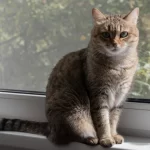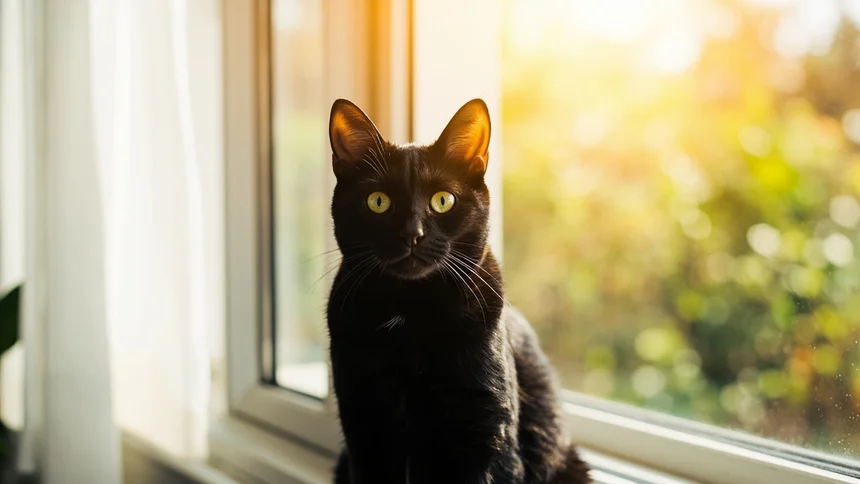
The first time Maria noticed her cat crying at 3 a.m., she thought something was wrong. She got up, checked the food bowl, refilled the water, and looked for signs of injury. Everything was fine. Her cat, a seven-year-old tabby named Luna, simply sat in the hallway and yowled at the ceiling for ten minutes before stopping on her own. This went on for three weeks. Maria was exhausted. The vet found nothing wrong.
Night vocalization in cats is one of the most common reasons owners bring their cats to the veterinarian — and one of the least straightforward problems to solve. It is not a single issue with a single fix. It is a behavior that can have many different causes, and understanding which one is driving your cat is the key to actually addressing it.
Why Cats Vocalize More at Night
Cats are naturally crepuscular, meaning they are most active at dawn and dusk. This is hardwired into their circadian rhythm, and it does not change just because they live in a home with artificial lighting. In the middle of the night, cats often experience a natural surge of energy and alertness. If they have not been sufficiently active during the day — because they slept on a couch for twelve hours while you were at work — that midnight energy has nowhere to go except into calling out.
Beyond natural rhythm, there are specific triggers that tend to make night vocalization worse. Cognitive decline in older cats is one of the most common. Just like humans, cats can develop a form of confusion or dementia as they age, and this often worsens at night when the house is quiet and there are fewer environmental cues to anchor them. A cat who seems fine during the day but cries persistently after midnight may be experiencing nighttime confusion rather than any specific physical need.
Hearing loss is another significant contributor. A cat who cannot hear well may not realize they are being loud. They are not trying to disturb you — they are simply calling out and getting no response, which prompts them to call louder. This is particularly common in senior cats and is often misread as demand behavior when it is actually a symptom of sensory decline.
Medical Causes That Need to Be Ruled Out First
Before assuming any behavior problem is purely behavioral, a veterinary visit is important. Several medical conditions directly cause increased vocalization, and none of them will improve without treatment.
Hyperthyroidism is one of the most common culprits in older cats. An overactive thyroid gland speeds up metabolism and creates a constant state of restlessness and hunger. Cats with hyperthyroidism typically lose weight despite eating more, may drink and urinate more frequently, and almost always vocalize more — especially at night. This is fixable with medication or radioactive iodine treatment, but it requires diagnosis first.
High blood pressure is another frequently overlooked cause. Like humans, cats can develop hypertension, which causes disorientation and distress. It is particularly common in cats with kidney disease or thyroid issues. A simple blood pressure reading at the vet can identify this, and medication can make a significant difference.
Pain from arthritis is a quieter but very common cause of nighttime distress in senior cats. An older cat who struggles to get comfortable, who has stiff joints that ache when they settle down to sleep, may vocalize simply because they are uncomfortable. They may also link the pain with the position they are in and try to move, calling out when they cannot find a position that feels right.
Other causes include cognitive dysfunction syndrome, partial seizures, and in some cases, early vision loss that makes a cat feel unsafe in the dark.

Environmental Causes You Can Address
If your vet has ruled out medical causes, the next step is looking at the environment. Many cases of nighttime vocalization come down to a mismatch between needs and environment during the night hours.
Boredom is a major contributor. A cat who receives thirty minutes of interaction and play in the morning and then is left alone for twelve hours may have stored-up energy and unmet hunting instincts by nightfall. Structured play sessions in the early evening — using wand toys that mimic prey movement — can help burn energy before bed. The key is making the play session long enough to actually tire the cat, not just enough to get them mildly interested.
Hunger is another common trigger. If your cat is used to being fed breakfast and dinner, they may have learned that early morning is a time to ask for food. Even if you feed them, a cat who has been awake most of the night may be genuinely hungry by 5 a.m. and resort to calling. Using puzzle feeders or feeding a small portion late at night can sometimes address this without reinforcing the waking behavior.
Loneliness is an underrated cause. Cats who are strongly bonded to their owners may become genuinely distressed when left alone for an extended period, especially in a dark, quiet house. This is not about being spoiled — it is about a mismatch between the cat is social needs and the household is nighttime routine. In these cases, leaving a radio on low, providing a warm heated bed, or having another cat for companionship can reduce the vocalization significantly.

What Not to Do
There are a few responses to nighttime crying that almost always make the problem worse. The first is getting up and responding to the cat when they call. If your cat has learned that meowing at night gets you out of bed, they will meow more, not less. Every time you get up in response, you are reinforcing the behavior, even if you are frustrated and trying to make them stop. The cat does not distinguish between positive and negative attention — any response is better than no response from their perspective.
Shouting or using a spray bottle is worse than ignoring it. These responses increase stress, which increases vocalization, creating a cycle that is much harder to break than the original problem. A scared or stressed cat cries more, not less.
Leaving food out all night as a way to quiet the cat can lead to weight gain and does not address the underlying cause. It also teaches the cat that nighttime is mealtime, which can make the behavior more entrenched.
When to Go Back to the Vet
If the nighttime crying starts suddenly in an older cat who previously slept through the night, that warrants a prompt vet visit. Sudden onset of night vocalization in a senior cat is a red flag for cognitive decline, pain, hypertension, or thyroid issues. The earlier these are identified, the more effectively they can be managed.
If your cat is young and has always been a night crier, the answer is more likely behavioral and environmental. But even in young cats, a baseline vet check is worthwhile to rule out pain or discomfort that is not obvious during a daytime appointment.
Luna, the tabby who was keeping Maria awake every night at 3 a.m., turned out to have early-stage hyperthyroidism. Once her thyroid medication was adjusted, the nighttime crying stopped almost completely within two weeks. It was not a behavioral problem. It was a medical one that had been misread as demand behavior for three weeks before anyone thought to check her thyroid. That gap between symptom and diagnosis is common — and worth remembering whenever a cat behavior changes without an obvious trigger.