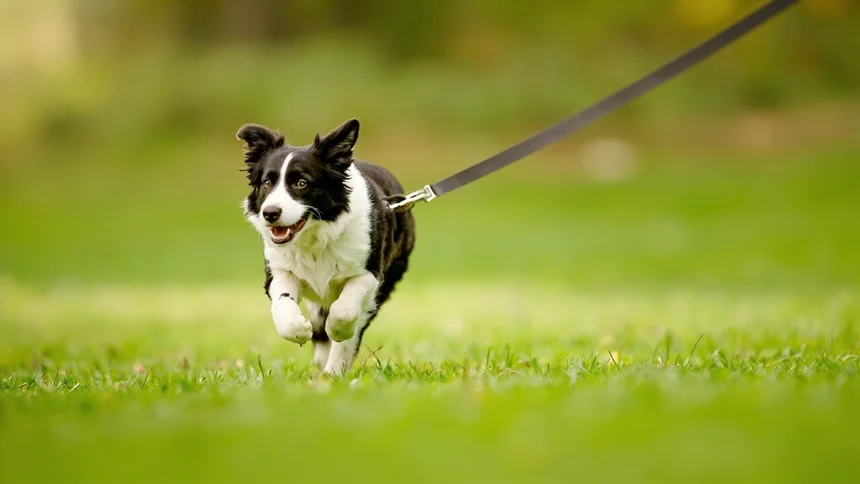
Last Tuesday I watched a woman call her golden retriever’s name seventeen times at the park. The dog kept going, nose to the ground, completely unbothered. By the eighteenth time, she sounded more pleading than commanding, and the dog — predictably — continued to ignore her. This is not a training problem. It is a recall problem, and they are not the same thing.
Recall — getting your dog to come back to you when called — is one of the hardest skills to train, and one of the most important. It is also the skill most owners give up on first. The good news is that a broken recall can be rebuilt, but it requires understanding why it broke in the first place.
Why Your Dog Stopped Coming When Called
Dogs do not ignore recall out of spite. They ignore it because the behavior has been accidentally punished so many times that approaching feels risky. Every time you called your dog back after they found something interesting — a squirrel, another dog, a food scrap — and then put them on a leash and left the park, you taught them that coming when called ends the fun. They are not stupid. They are making a rational calculation based on experience.
This is called accidental punishment, and it is incredibly common. The owner who calls their dog away from a play session, the owner who calls their dog over to clip on a leash after sniffing something fascinating, the owner who called their dog and then gave a bath — each of these is teaching the dog that recall means the good thing ends.
Reinforcement history is everything in recall training. If your dog has learned that coming when called sometimes results in something bad or something boring — and sometimes results in nothing at all — they will weigh that against the immediate reward of whatever they are currently doing. Usually, whatever they are currently doing wins.
What Makes Recall Training Actually Work
Real recall training starts with making yourself more interesting than everything else in the environment. This sounds simple but it requires a complete shift in how you interact with your dog during training sessions.
First, you need to become high-value. That means your recall signal — usually your dog’s name or the word come — is followed by something genuinely worth crossing the room for. For most dogs, this means real chicken, not kibble. It means play with a tug toy they love, not a halfhearted game of fetch. It means enthusiastic praise that sounds different from your everyday voice. If you sound the same whether your dog comes or not, there is no reason for them to prioritize coming.
Second, you need to practice recall in low-distraction environments before you ever test it in high-distraction ones. This means starting indoors, in a quiet room, with no other pets and no toys left out. You call your dog once. When they come, you reward generously. You do not practice this until your dog is perfect — you practice until they are about 80 percent reliable. Then you slightly increase the difficulty: a different room, a slightly more distracting environment.
You do not move to the next level of difficulty until the current level is boring-easy for your dog. Most owners rush this process because recall looks simple from the outside. It is not simple. It is rebuilding a trust relationship that has been damaged by hundreds of accidental punishments.

The Mechanics of a Real Recall Signal
There are a few non-negotiable mechanics that make recall training work. The first is that you never call your dog twice in a row without enforcing the first call. If you say come, come, come — you have taught them that the first two calls do not matter, and they will wait for the third. The rule is: one call, one consequence. Either your dog comes, or you go and get them.
Going and getting them does not mean making it unpleasant. It means calmly walking over, attaching the leash, and either continuing the current activity or moving on without drama. You do not scold, you do not make a frustrated face, you do not lecture. You simply demonstrate that ignoring the call has a consequence — and the consequence is less freedom, not a negative experience.
The second mechanic is that recall must always, always be worth it during training. That means for a period of weeks or months, every single time your dog comes when called, something exceptional happens. Not occasionally. Every single time. This is a deposit into the recall trust account. Once you have made enough deposits, you can start making occasional withdrawals — calling your dog when you know they will not come and then managing the situation without damaging the relationship further.
When to Use a Long Line
A long line — a thin, lightweight leash that can be 20 to 30 feet long — is one of the most useful tools in recall training. It gives you a safety net: your dog cannot ignore you indefinitely because you can gently guide them back without the interaction becoming adversarial. The key word is gently. You are not reeling them in like a fish. You are making the line taut, giving a directional cue, and letting them choose to come while knowing the backup exists.
The long line should be drag-free — meaning it lays on the ground in loose coils — so that it does not interfere with your dog’s natural movement when they are not being called. Dragging the line behind a dog can make them resent the training session, which is exactly what you do not want.
You would use the long line during outdoor training in parks or fenced yards where you are working on recall under distraction. You would not use it in a closed environment where your dog could get tangled or injured.

Building Duration Before Distance
Most owners want to practice recall at distance before their dog is ready. They call the dog from across the room, then from the yard, then from the park. But recall distance should only increase after recall reliability has been established at closer range.
Reliable means your dog comes to you almost every time you call, with very few failures, over at least two weeks of consistent practice. Not one good session. Not a lucky afternoon. Two weeks of near-perfect responses before you add distance.
Duration — how long your dog stays with you after coming — is equally important and equally neglected. Many dogs will come when called but immediately spin away the moment they arrive. This is because staying with you has not been reinforced. When your dog comes to you, ask for a sit before you release them. This builds duration and impulse control simultaneously.
What Not to Do
There are a few things that will undermine even the most consistent recall training program. The first is calling your dog to you for something they dislike — a bath, a nail trim, a trip to the vet. If recall is associated with negative experiences, your dog will avoid it. Use a separate cue for these situations: a specific word like here or over that your dog learns means something neutral needs to happen.
The second is punishment-based recall corrections — leash popping, collar corrections, or verbal scolding after the dog arrives. This destroys trust faster than almost anything else. Your dog came to you and got yelled at or jerked. They will not make that mistake again, which means they will not come at all next time.
The third is inconsistency. If you enforce recall sometimes and let it slide other times, you are sending a confusing signal. Your dog cannot understand that today the rule is different. Every ignored recall teaches them that ignoring is an option. Consistent enforcement, even if you have to go get them, is better than selective enforcement.
If you are starting from scratch with a dog whose recall has been damaged by years of accidental punishment, be patient with the process. It can take three to six months of consistent, positive training to rebuild reliable recall. That is not a sign that the training is not working. That is the normal timeline for rebuilding something that has been worn down over time. The woman calling her golden retriever seventeen times could have had a reliable recall in six months if she had started the right way. She still can.