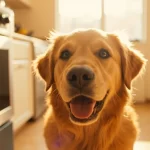
Last fall, a client brought her Golden Retriever into the clinic with a coat so matted it had to be shaved completely. She was devastated. She had been brushing him religiously every week — but the undercoat had packed down into dense mats against the skin, invisible from the surface. The brush never reached them.
That story plays out in living rooms across the country every autumn. The season plays tricks on pet owners. Temperatures drop, daylight shrinks, and our grooming instincts dial back just when our pets need us most. Between back-to-school chaos and holiday prep, grooming can slide down the priority list right when the coat is undergoing its biggest seasonal transition.
Here are five mistakes that show up repeatedly — and what to do instead.
Mistake 1: Treating Fall Like Summer
When the weather cools, most pet owners instinctively cut back on grooming. The logic makes sense on the surface: the dog is less sweaty, maybe less dirty, the coat looks fine under a jacket. But fall is actually one of the most demanding seasons for a pet’s coat.
Many double-coated breeds — Golden Retrievers, Huskies, German Shepherds — begin growing their winter undercoat the moment daylight hours decrease, which starts in late August in many regions. That means by mid-October, the undercoat is already thickening. If you are brushing once a week when you should be brushing three times a week, loose summer coat and new winter growth pile up in layers.
That buildup does more than look bad. Trapped moisture against the skin creates the perfect environment for hot spots, bacterial infections, and fungal growth. Mats pull on the skin every time the dog moves, causing painful tension, especially around joints and the armpits.
The adjustment for fall is straightforward: increase your brushing frequency, not decrease it. Switch from a standard bristle brush to an undercoat rake or de-shedding tool designed for your dog’s coat type. And do not stop when the coat looks decent on the surface — run your fingers through the fur all the way to the skin to check for hidden mats.
Mistake 2: Skipping the Bath Before the Coat Change
Most professional groomers will tell you that a bath right before a major shed cycle makes everything that follows easier. The logic is simple: shampoo and conditioning loosen the follicles, soften dead fur, and make it easier for loose coat to release. When you skip that pre-shed bath, all that dead undercoat stays locked in place longer and sheds in clumps around your house instead of coming out in the tub.

For pets with thick coats, a de-shedding bath in early fall — when the summer coat is starting to release — dramatically reduces the intensity of the blowout shed that usually hits in October and November. A de-shedding shampoo with omega fatty acids loosens the undercoat while supporting skin barrier function at the same time.
Apply the shampoo and let it sit on the coat for five to ten minutes before rinsing. This gives the surfactants time to work into the undercoat rather than just cleaning the surface fur. Follow with a conditioner if your pet has dry or sensitive skin. The whole process takes thirty minutes and cuts weeks off the heavy shedding period.
Mistake 3: Ignoring the Ears
Fall ear problems are less dramatic than summer ear infections but just as common. Between increased indoor heating and lingering moisture from autumn rain, the ear canal becomes a less ventilated environment. Floppy-eared breeds are especially vulnerable — the dark, warm, slightly damp space under the ear flap is exactly what yeast and bacteria prefer.
The warning signs often get missed in fall because they are subtle. A slight increase in head shaking. A mild odor that was not there in August. A small amount of dark discharge that looks like coffee grounds. Pet owners frequently do not notice until the dog is actively pawing at the ear or tilting his head.
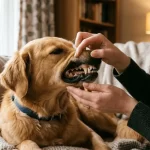
Weekly ear checks take two minutes and can prevent a minor issue from becoming a painful infection. Use a vet-approved ear cleaner — not water, not hydrogen peroxide, not alcohol. Apply it to a cotton ball and wipe the outer ear canal and the inner flap. If the ear looks red inside, or if the discharge has a strong smell, book a vet appointment rather than waiting to see if it clears up on its own.
For pets who swim in fall — a lake swim in September or October is still common in many regions — drying the ears thoroughly after every swim is non-negotiable. A few minutes with a towel and a little ear drying solution can prevent an infection that would otherwise ruin the season.
Mistake 4: Assuming a Thicker Coat Means Less Grooming
This is the inverse of Mistake 1 and it trips up a different type of pet owner — those who know a heavy shed is coming and try to get ahead of it by grooming less, hoping the coat will handle itself. It will not.
Long-haired pets with dense coats — Persian cats, double-coated dogs of any breed — face a specific risk in fall that is easy to overlook. As the winter undercoat grows in, the older coat above it can form a dense cap that blocks airflow to the skin. The skin underneath becomes warm, slightly moist, and poorly ventilated. This is an ideal setup for matting, hot spots, and a condition sometimes called coat funk — a musty odor caused by bacterial buildup under matted fur.
Daily brushing is not excessive for these breeds in fall. A long-toothed comb run through the entire coat down to the skin, followed by a slicker brush to smooth the surface, takes ten minutes and prevents problems that will take hours to fix later. If a mat has already formed, do not pull at it — work it apart gently with a dematting comb or have a groomer safely shave out the affected area before it tightens further.
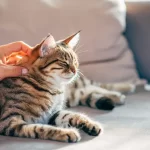
For cats, fall grooming is often neglected entirely because cats groom themselves. But long-haired breeds cannot fully maintain their coat without help. A daily comb-through prevents the formation of hairballs, which increase in fall when cats are shedding their summer coat and ingesting more fur during self-grooming.
Mistake 5: Forgetting About Paw Care as Temperatures Drop
Most pet owners associate paw injuries with summer heat — hot pavement, burning sidewalks. But fall brings its own set of paw hazards that are easy to ignore until the damage is done.
Road salt and chemical de-icers are among the most underappreciated fall and winter hazards for pet paws. In many regions, these chemicals go down on sidewalks and driveways as early as October, long before the first real snowfall. Salt and chemical compounds can cause painful chemical burns on the paw pads, and pets who lick their paws afterward can develop gastrointestinal upset from ingesting the residue.
The fix is a simple habit: rinse your dog’s paws after every walk in fall and winter. A quick rinse at the door removes salt and chemicals before your dog has a chance to lick them off or track them through the house. Apply a paw balm or wax protectant before walks in areas where salt has been used — this creates a barrier between the paw pad and the irritant.
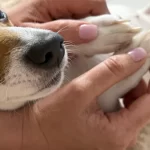
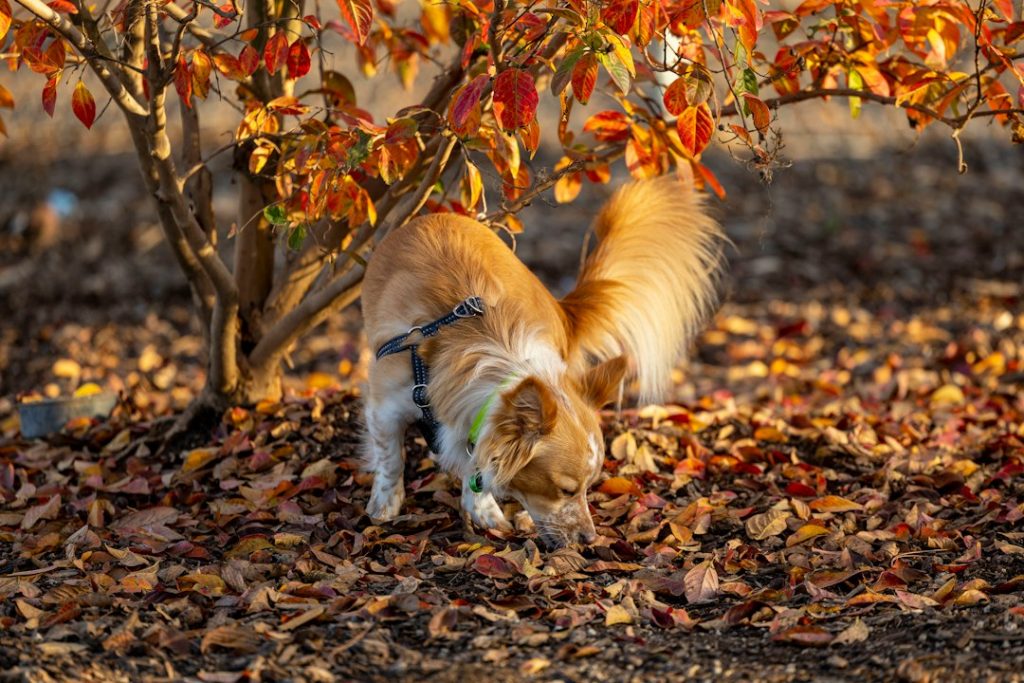
Check the paws themselves for cracks, splinters, or unusual wear. Autumn burrs and seed pods can get lodged between the toes and work their way into the skin if not removed promptly. Run your thumb along the pad edges and between each toe to check for foreign material, especially after hikes or walks in wooded areas.
Building a Fall Grooming Rhythm That Sticks
The good news about fall grooming is that it does not require elaborate tools or professional appointments for most pets. A quality undercoat rake, a slicker brush, an ear cleaner, and a jar of paw balm cover the essentials. What it does require is consistency — and recognizing that fall is not a coast-into-winter season for your pet’s coat.
Think of fall grooming as preventative maintenance. The time you spend in October prevents mats that take an hour to dematt in December. The ear check in October prevents an infection that requires a vet visit and medication in November. The paw rinse after every walk prevents cracked, bleeding pads that make your dog reluctant to go outside at all.
A simple weekly routine — brush, ear check, paw inspection, and a quick run-through with a comb — keeps most pets in good coat health through the seasonal transition. When the winter undercoat is fully established and the house is finally fur-free, you will be glad you kept up with it.