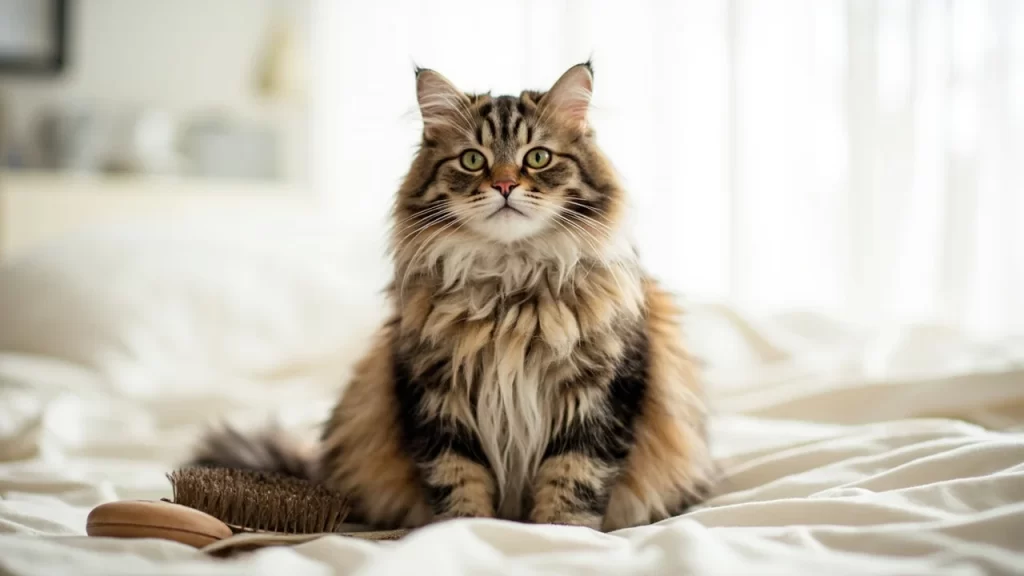
My friend’s cat had a matted coat so severe by spring that she needed to be shaved completely at the vet. “But cats clean themselves,” my friend said, genuinely surprised. “They do — but not completely, and not for every coat type.” Cats are remarkable self-groomers, but even the most fastidious feline benefits enormously from human-assisted grooming, particularly for long hair, dense undercoats, and the grimy buildup that saliva alone can’t fix.
Why Most Cats Need More Than Self-Grooming
The ASPCA notes that brushing your cat removes dirt, grease, and dead hair from her coat while also stimulating blood circulation and improving overall skin condition. Beyond aesthetics, regular grooming serves a health function — it catches mats before they pull on skin, finds lumps or irritation early, and prevents hairballs from forming in long-haired breeds.
VCA Hospitals adds that all cats benefit from regular brushing to remove loose hair and skin cells, keep the coat free of dirt and debris, and distribute natural skin oils along the hair shafts. Without brushing, dead hair accumulates, mats form close to the skin, and cats — especially heavy shedders — can develop gastrointestinal blockages from excessive self-grooming and hair ingestion.
Choosing the Right Brush for Your Cat’s Coat Type
Business Insider’s 2026 cat brush testing found that the right brush depends almost entirely on coat type. For short-haired cats, a rubber curry brush or bristle brush works well. For long-haired cats like Maine Coons, Persians, and Ragdolls, a wide-toothed metal comb followed by a slicker brush is the standard approach.
For deshedding, a specialized tool consistently removed more loose hair in testing than standard brushes. The key is working from the skin outward — brushing only the top coat leaves the undercoat tangled and eventually matted. A deshedding rake or undercoat rake designed for double-coated cats reaches the underlayer where mats actually form.

How Often Should You Brush
Short-haired cats generally need brushing once or twice a week. Long-haired breeds typically need daily brushing during shedding season and every other day during low-shed periods. The more consistently you brush, the less time each session takes — ten minutes a day beats sixty minutes once a month when mats are already formed.
VetCare Hospital’s July 2025 grooming guide emphasizes that grooming frequency also depends on the individual cat’s lifestyle and seasonal shedding patterns.
The Right Way to Bathe a Cat
Most cats don’t need frequent baths, and forcing one on a cat who despises water can damage your relationship and cause injury. That said, certain situations call for bathing: medical conditions requiring medicated shampoos, severe flea infestations, and some skin conditions.
When bathing is necessary, use a cat-specific shampoo — never human shampoo, which disrupts the skin’s pH balance. A dry shampoo or waterless cat bath foam is a useful alternative for cats who genuinely cannot tolerate water.
Beyond the Coat — Ears, Nails, and Teeth
Grooming extends well past the coat. Ears should be checked weekly for wax buildup, redness, or odor — signs of infection that need veterinary attention. Nail trimming is typically needed every two to three weeks for indoor cats. Nails that grow too long can curl into the paw pad, causing pain and infection.
Dental care is the most neglected aspect of feline grooming. The ASPCA recommends brushing a cat’s teeth regularly with a cat-specific toothbrush and toothpaste. Dental disease is extremely common in cats over age three, and daily brushing significantly reduces risk.


When to Call a Professional Groomer
Matted fur that can’t be brushed out, severely overgrown nails, ear infections, and skin conditions all warrant a professional groomer or veterinary visit. Morgan Veterinary Practice’s February 2025 guide specifically recommends professional grooming for cats with anxiety around grooming, senior cats with mobility issues that prevent self-grooming, and cats with coat types that require specialized care.
Regular home grooming keeps most cats well-maintained between professional visits — but knowing when to escalate to a professional prevents small problems from becoming serious ones.